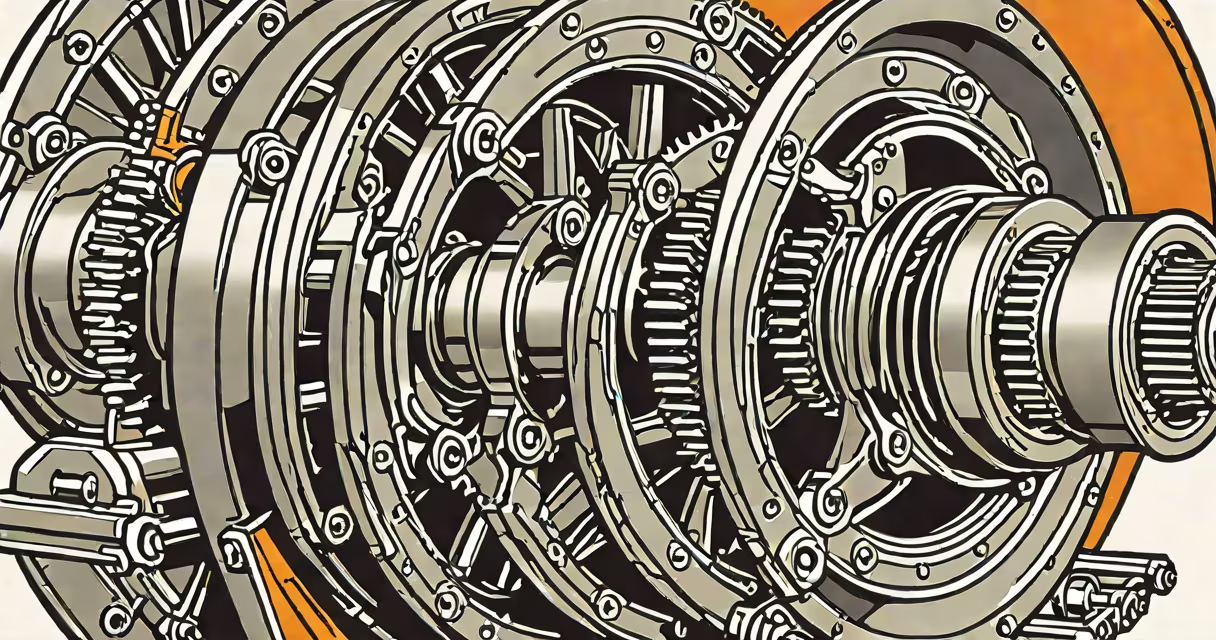
A rear differential service involves draining old gear oil, inspecting internal components, and refilling with fresh lubricant to maintain proper driveline function. This maintenance task is specific to vehicles with rear axles, particularly those with limited-slip or locking differentials.
A differential allows wheels to rotate at different speeds while transferring power from the driveshaft to the axle. When turning, outer wheels travel farther than inner wheels, requiring this mechanism to prevent driveline binding. The assembly contains gears bathed in specialized gear oil, which must be changed periodically to prevent wear and overheating.
| Type | Common Applications | Service Considerations |
|---|---|---|
| Open differential | Most passenger vehicles | Basic oil changes sufficient |
| Limited-slip differential | Performance cars, trucks | More frequent service needed |
| Locking differential | Off-road vehicles | Specialized lubricants required |
Manufacturers typically recommend rear differential service every 30,000-60,000 miles, though off-road or towing vehicles may need more frequent attention. The thick gear oil breaks down over time, losing its ability to protect against metal-to-metal contact and dissipate heat. Neglecting this service can lead to expensive gear tooth damage or complete differential failure.
Unlike engine oil, differential fluid doesn't circulate through a filter. Instead, it remains in the housing, collecting metal particles from normal gear wear. These contaminants settle at the bottom, where the drain plug is located - which is why a complete fluid flush is superior to simple top-offs.
Many drivers confuse rear differential service with transmission service or think their vehicle doesn't have a differential if it's front-wheel drive. However, even FWD vehicles have differentials (called transaxles) that require similar maintenance. Another mistake is using regular motor oil instead of hypoid gear oil, which has additives specifically for extreme pressure conditions found in differentials.
I learned this the hard way when my Jeep Wrangler developed a loud whining noise after using conventional oil in the differential. The repair shop showed me metal shavings in the old fluid - a clear sign of inadequate lubrication. After a proper service with correct hypoid gear oil, the noise disappeared.
Professional rear differential service typically includes:
Some high-performance vehicles may require additional steps like adjusting clutch packs in limited-slip differentials. Always consult your owner's manual for specific recommendations.