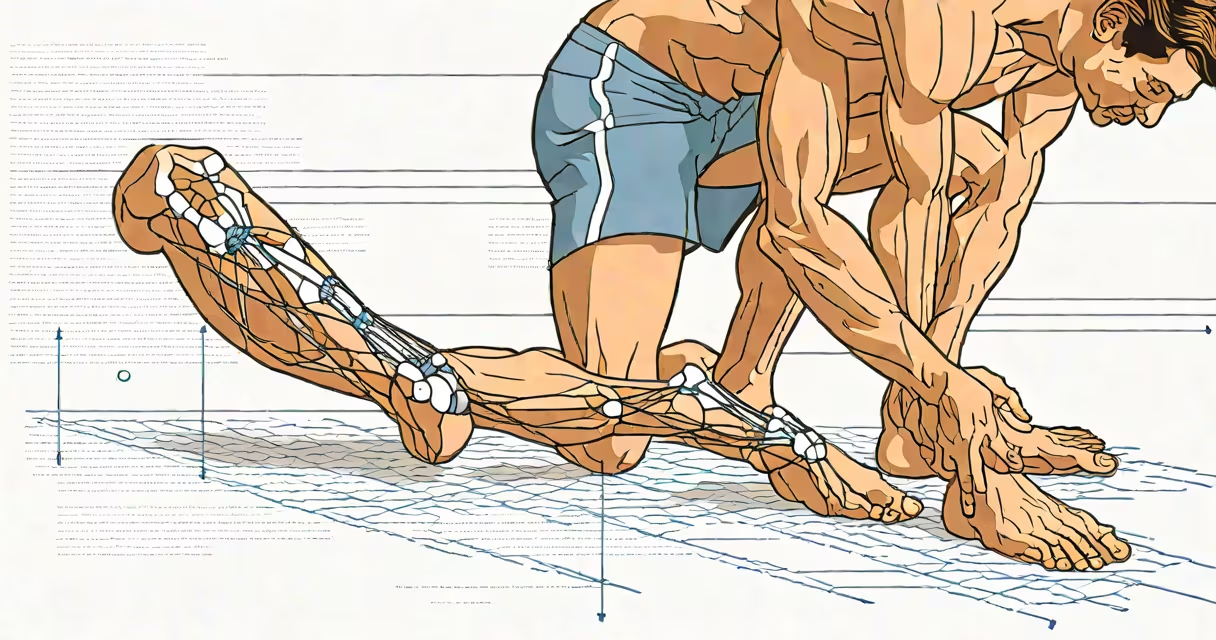
A reason for frequent muscle cramps includes dehydration, electrolyte imbalances, or overexertion. These involuntary contractions often occur during or after exercise, though they can happen at rest.
Muscle cramps occur when muscles contract involuntarily and cannot relax. This happens due to issues with the nerves controlling the muscles or problems within the muscle itself. The pain results from the sustained contraction and reduced blood flow to the affected area.
The most common reasons for frequent muscle cramps include:
Many people believe muscle cramps are solely caused by dehydration. While dehydration is a significant factor, it is not the only reason. Electrolyte imbalances, particularly low levels of potassium and magnesium, play a important role. For example, athletes who sweat excessively may lose electrolytes faster than they can replenish them, leading to cramps even if they drink enough water.
Another misconception is that stretching alone can prevent cramps. While stretching can help relieve cramps, it does not address underlying causes like electrolyte imbalances or poor circulation. A combination of hydration, electrolyte balance, and proper warm-up routines is necessary for effective prevention.
To prevent frequent muscle cramps, focus on maintaining proper hydration and electrolyte balance. Drink plenty of water throughout the day, especially before, during, and after exercise. Consume foods rich in potassium, such as bananas, and magnesium, such as nuts and leafy greens., avoid overexertion and gradually increase the intensity of your workouts.
Frequent muscle cramps that occur without obvious triggers, such as exercise or dehydration, may indicate an underlying health issue. Conditions like diabetes, thyroid disorders, or nerve damage can cause chronic cramping. If cramps are severe, persistent, or accompanied by other symptoms like weakness or numbness, seek medical attention.
Understanding the reasons for frequent muscle cramps allows for better prevention and management. By addressing dehydration, electrolyte imbalances, and overexertion, you can reduce the likelihood of painful muscle contractions and maintain optimal muscle function.