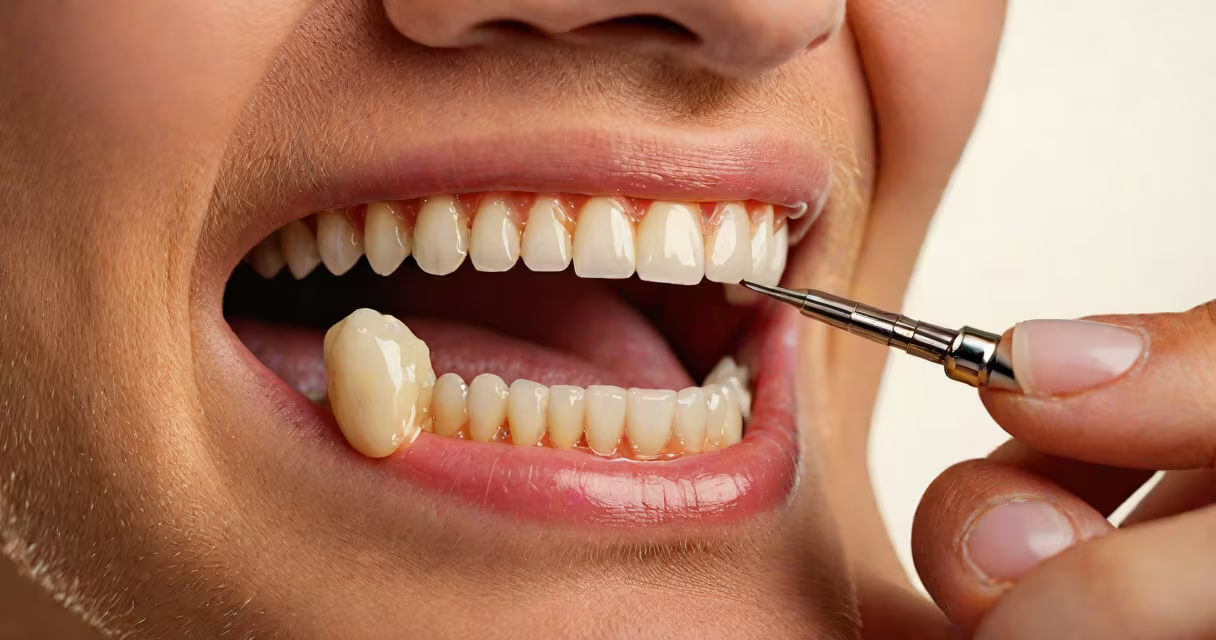
Tooth pain occurs when the nerve in the root of a tooth or surrounding tissues is irritated. This irritation can result from various factors, ranging from minor issues to serious dental problems.
Tooth pain arises when the pulp-the innermost part of the tooth containing nerves and blood vessels-becomes inflamed or infected. This inflammation can stem from decay, injury, or other dental conditions. The pain may feel sharp, throbbing, or constant, and it can radiate to other parts of the mouth or head.
Tooth pain can be categorized into several types based on its cause and characteristics:
Several factors can contribute to tooth pain. Here are some of the most common reasons:
| Cause | Description | Solution |
|---|---|---|
| Cavities | Decay that forms holes in the teeth, exposing the inner layers. | Fillings, crowns, or root canals depending on severity. |
| Gum disease | Inflammation and infection of the gums, often leading to pain and sensitivity. | Professional cleaning, antibiotics, or surgery in advanced cases. |
| Tooth fracture | Cracks or chips in the teeth that expose the inner layers. | Fillings, crowns, or root canals. |
| Tooth eruption | Pain associated with the growth of new teeth, common in children and during wisdom tooth development. | Over-the-counter pain relievers and gentle rinses. |
| Sinus pressure | Pressure from sinus infections can mimic tooth pain, particularly in the upper teeth. | Treating the underlying sinus infection. |
While some tooth pain can be managed at home, persistent or severe pain requires professional attention. If your teeth hurt for more than a few days, or if the pain is accompanied by swelling, fever, or headaches, schedule an appointment with a dentist. Early intervention can prevent more serious complications, such as infections spreading to other parts of the body.
I once experienced persistent tooth pain that didn't go away with over-the-counter pain relievers. A visit to the dentist revealed a small cavity that had progressed to the point of affecting the nerve. A root canal treatment resolved the issue, but it highlighted the importance of regular dental check-ups.
Maintaining good oral hygiene is the best way to prevent tooth pain. Brush your teeth twice a day with fluoride toothpaste, floss daily, and use a mouthwash to reduce bacteria. Regular dental visits can catch issues early before they become painful problems. Avoid hard foods that can crack teeth, and use a mouthguard if you grind your teeth at night.