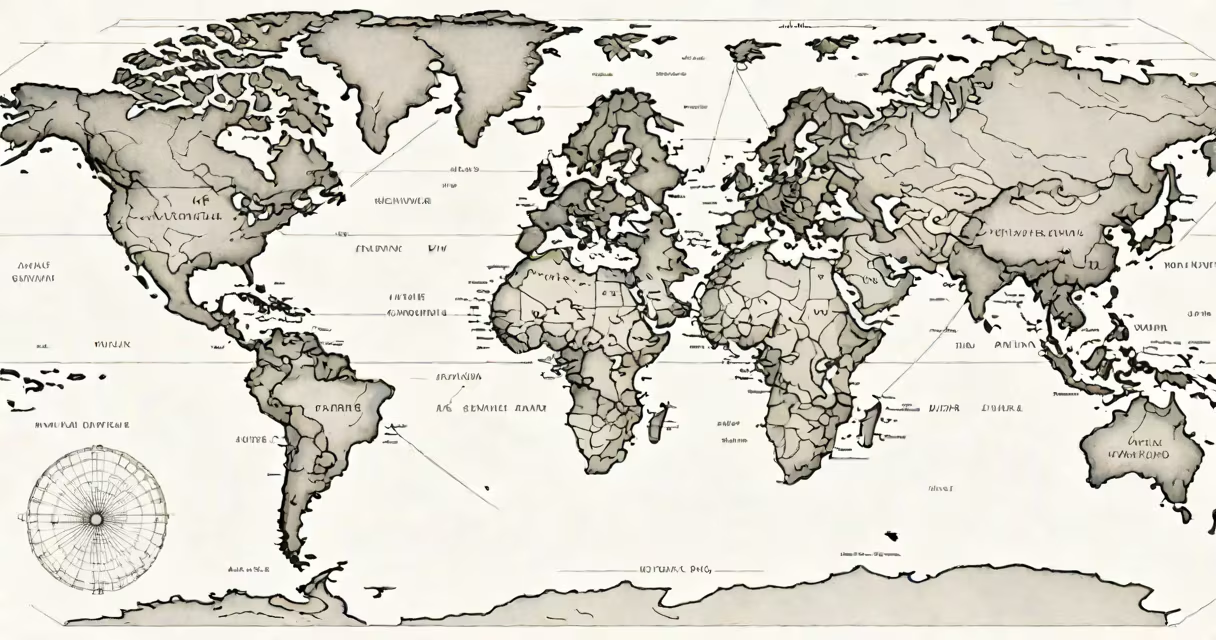
The English language is a West Germanic language originating from Anglo-Frisian dialects brought to Britain in the mid 5th to 7th centuries AD. It has over 1.5 billion speakers globally, including native speakers and those who use it as a second language.
English uses a Latin-based alphabet with 26 letters. Its grammar includes eight parts of speech: nouns, pronouns, verbs, adjectives, adverbs, prepositions, conjunctions, and interjections. English sentence structure follows a subject-verb-object pattern, though variations exist. The language is known for its extensive vocabulary, with estimates of over 1 million words in current use.
English varies by region and context. Major varieties include:
| Type | Examples | Key Features |
|---|---|---|
| British English | Received Pronunciation, Cockney | Use of 'u' in words like 'colour', 'litre' |
| American English | General American, Southern American English | Dropping of 'u' in words like 'color', 'liter' |
| Australian English | General Australian, Broad Australian | Unique vocabulary like 'arvo' for afternoon |
| Indian English | Indian English, Hinglish | Influence from local languages, unique idioms |
English serves as the primary language in over 60 sovereign states and territories, including the United Kingdom, the United States, Canada, Australia, and New Zealand. It's also widely used as a lingua franca in international business, science, aviation, and diplomacy due to its global reach and historical influence.
According to Ethnologue, English is the third most spoken native language in the world, after Mandarin Chinese and Spanish. However, it's the most widely learned second language, with many people studying it for professional and educational opportunities.
Many assume English has always been the dominant global language. However, it only became widely influential after World War II, replacing French as the language of international discourse., while British English is often seen as the standard, American English has a larger number of speakers worldwide.
Another misconception is that English grammar is simple. While it lacks complex grammatical gender and cases found in languages like German or Russian, its extensive vocabulary and irregular verbs can make it challenging to master.
English continues to evolve, absorbing words from other languages and adapting to new technologies. Its flexibility and widespread use make it a important tool for communication in the modern world.