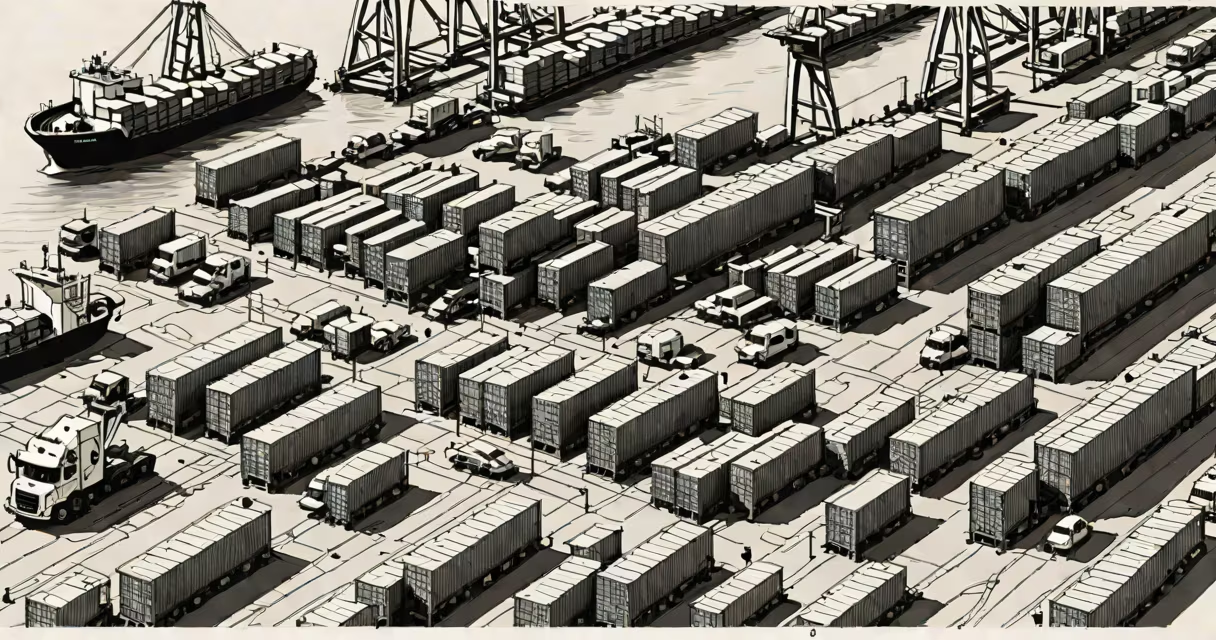
Transport and logistics refers to the systems and processes that move goods, including storage, handling, and transportation. It ensures products reach their destinations efficiently and cost-effectively.
Transport and logistics involves several steps:
For example, a smartphone travels from factories in China to warehouses in the U.S., then to retail stores via trucks. Each step requires coordination between multiple parties.
The logistics industry includes four primary types:
| Type | Description | Example |
|---|---|---|
| Supply Chain Logistics | Manages the entire supply chain process | A clothing company coordinating fabric suppliers, manufacturers, and retailers |
| Third-Party Logistics (3PL) | Outsourced logistics services | FedEx managing inventory and deliveries for an e-commerce business |
| Fourth-Party Logistics (4PL) | Oversees multiple 3PL providers | A retailer using different 3PLs for various regions and products |
| Reverse Logistics | Handles returns, repairs, and recycling | Apple processing returned iPhones for refurbishment or recycling |
Many confuse transport and logistics with simple shipping. However, logistics encompasses planning, implementation, and control of storage and movement. For instance, Walmart's logistics system includes inventory tracking, warehouse management, and optimized delivery routes-not just transporting goods.
Another misconception is that logistics is only for large corporations. Small businesses also rely on logistics. A local bakery, for example, uses logistics to manage ingredient deliveries, storage, and distribution to customers.
Amazon's logistics network is one of the most advanced in the world. It includes:
This system allows Amazon to deliver packages within hours in many areas. The company's logistics operations are a key reason for its success.
Efficient transport and logistics reduce costs, improve customer satisfaction, and support economic growth. According to the Council of Supply Chain Management Professionals, logistics accounts for about 10% of the U.S. GDP. Without effective logistics, businesses struggle to meet customer demands and compete in the market.
For example, during the COVID-19 pandemic, logistics companies played a important role in delivering medical supplies and groceries to people worldwide. Their ability to adapt and scale operations was important in maintaining supply chains.
Understanding transport and logistics helps businesses improve their operations and serve customers better. managing a global supply chain, logistics is essential for success.