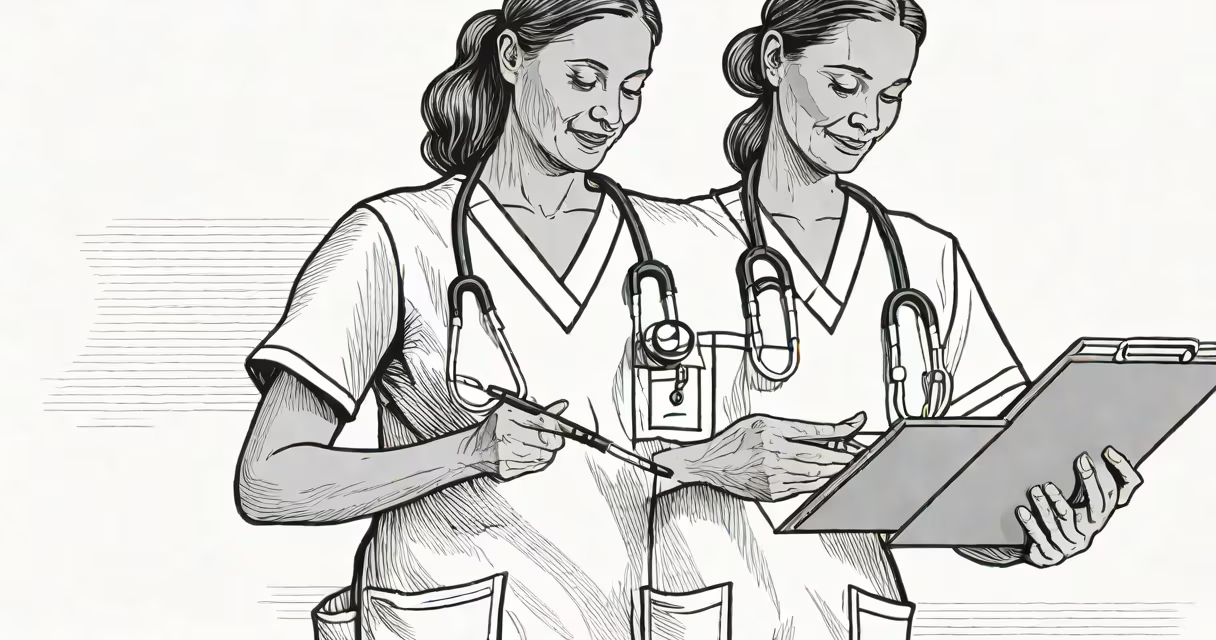
ARNP stands for Advanced Registered Nurse Practitioner, a licensed nursing professional with graduate-level education who provides primary and specialty care. The term is often used interchangeably with nurse practitioner (NP), though state regulations may distinguish between them.
ARNPs diagnose illnesses, develop treatment plans, prescribe medications, and manage patient care. Their scope of practice varies by state and depends on whether they work independently or under physician supervision. Some states require ARNPs to have collaborative agreements with doctors, while others grant them full practice authority.
ARNPs specialize in various areas, including:
ARNPs work in hospitals, clinics, private practices, and community health centers. They play a important role in expanding access to healthcare, particularly in underserved areas. According to the American Association of Nurse Practitioners, ARNPs conduct nearly 1 billion patient visits annually.
Many states use the term ARNP to distinguish nurses with master's or doctoral degrees from those with other certifications. For example, Florida requires ARNPs to hold a graduate degree, while some states allow nurse practitioners to practice with only a bachelor's degree and certification.
Another confusion arises with the term NP, which is sometimes used broadly to include all advanced practice nurses. However, in states where ARNP is a distinct designation, it typically refers to those with higher education levels.
Consider an ARNP working in a rural clinic. They might see patients for routine check-ups, manage chronic conditions like diabetes, and prescribe necessary medications. If a patient presents with symptoms of pneumonia, the ARNP would diagnose the condition, develop a treatment plan, and prescribe antibiotics-all without needing a physician's oversight in full-practice authority states.
In my experience volunteering at a free clinic, I observed an ARNP efficiently managing a high volume of patients, demonstrating the critical role they play in primary care settings.
For more on specialized roles, see this guide.