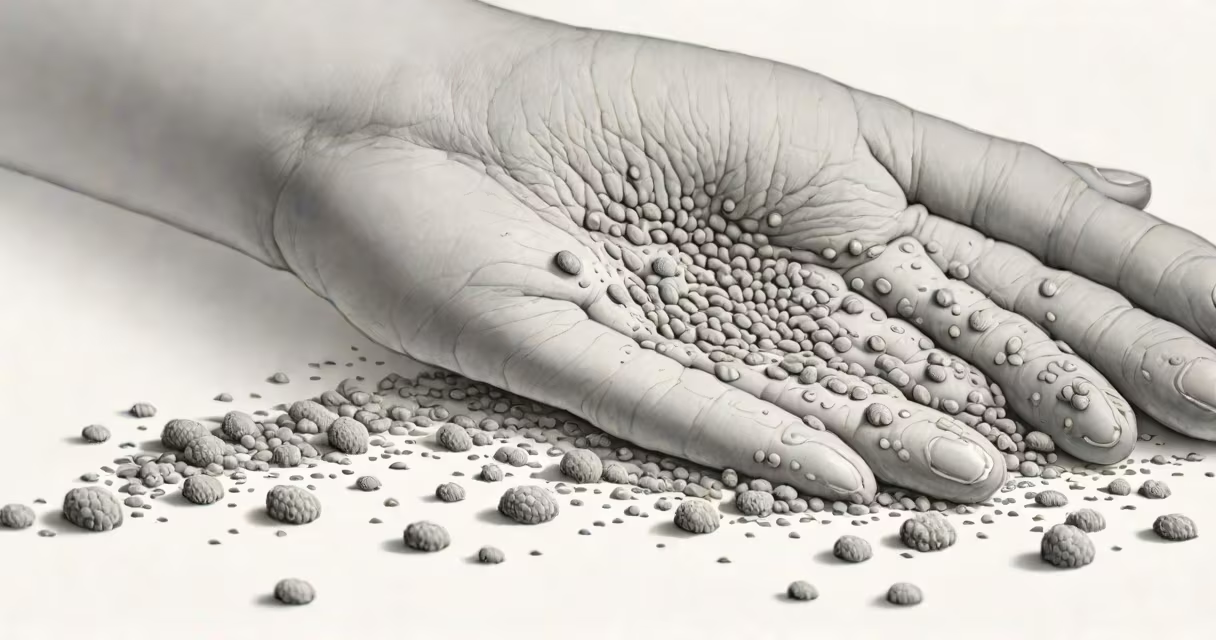
Boils are typically caused by a bacterial infection, most commonly Staphylococcus aureus (staph bacteria). These pus-filled bumps form under the skin when bacteria enter through a cut or hair follicle.
When staph bacteria invade the skin, they trigger inflammation and infection. The body responds by sending white blood cells to fight the bacteria, creating pus. This pus collects in a pocket beneath the skin, forming a boil.
The primary culprit is Staphylococcus aureus, but other bacteria can also cause boils:
| Bacterial Type | Common Source |
|---|---|
| Staphylococcus aureus | Present on skin or in noses of healthy people |
| MRSA (Methicillin-resistant Staphylococcus aureus) | Resistant to common antibiotics, often found in healthcare settings |
| Streptococcus pyogenes | Less common, associated with strep throat |
Boils often occur in areas where sweat accumulates, such as the armpits, groin, or buttocks. Poor hygiene, weakened immune systems, diabetes, and close contact with infected individuals increase risk. Prevention involves keeping skin clean, avoiding sharing personal items, and treating minor cuts promptly.
Most boils heal on their own within a week or two. However, large or persistent boils may require medical treatment, including incision and drainage or antibiotics. Severe cases, especially those involving MRSA, require immediate medical attention.
I once treated a recurrent boil on my neck by keeping the area clean and applying warm compresses. The boil drained naturally after a few days, but I sought medical advice to ensure proper healing and prevent recurrence.