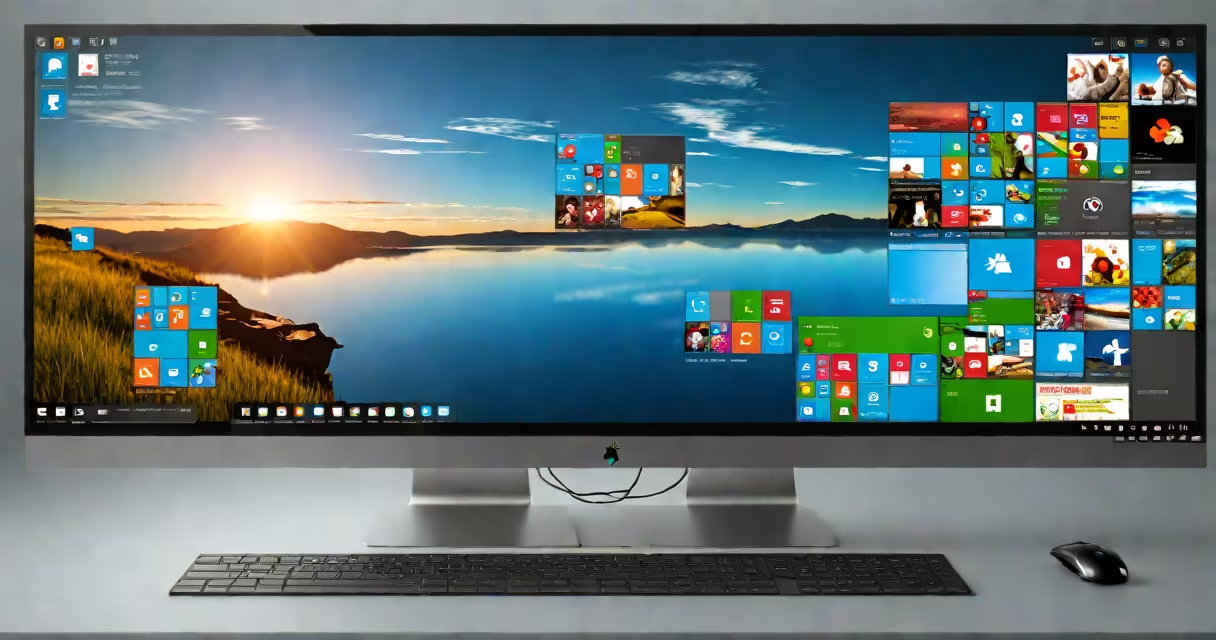
Windows 7 succeeded Windows Vista in 2009, fixing its predecessor's performance and usability issues while introducing new features like the improved taskbar and multi-touch support.
Windows Vista, released in 2006, faced criticism for its sluggish performance, strict security measures that frustrated users, and hardware compatibility problems. Microsoft addressed these issues in Windows 7, which was faster, more stable, and better received by both critics and consumers.
Windows 7 introduced several key improvements over Vista:
Many people confuse Windows 7 with being a minor update to Vista. However, it was a full version release (Windows NT 6.1) with significant architectural changes under the hood. Unlike service packs, which are incremental updates, Windows 7 was a complete overhaul designed to address the fundamental flaws in Vista.
When I upgraded my old laptop 7, the difference was immediate. The system felt snappier, and applications launched without the delays I had grown accustomed to. The improved taskbar made multitasking easier, and the new multi-touch support allowed me to use gestures on my touchscreen monitor-a feature I didn't even know I needed until I tried it.
After Windows 7, Microsoft released Windows 8 in 2012, which introduced a radical new tile-based Start screen designed for touchscreens. This was followed by Windows 10 in 2015, which brought back the traditional Start menu while integrating features from Windows 8. Most recently, Windows 11 was released in 2021, continuing the evolution of the Windows operating system.
Windows 7 remained one of the most popular versions of Windows for years after its release. Its success proved that Microsoft could recover from a poorly received operating system by listening to user feedback and making meaningful improvements. Even today, many users still prefer Windows 7 for its reliability and simplicity.