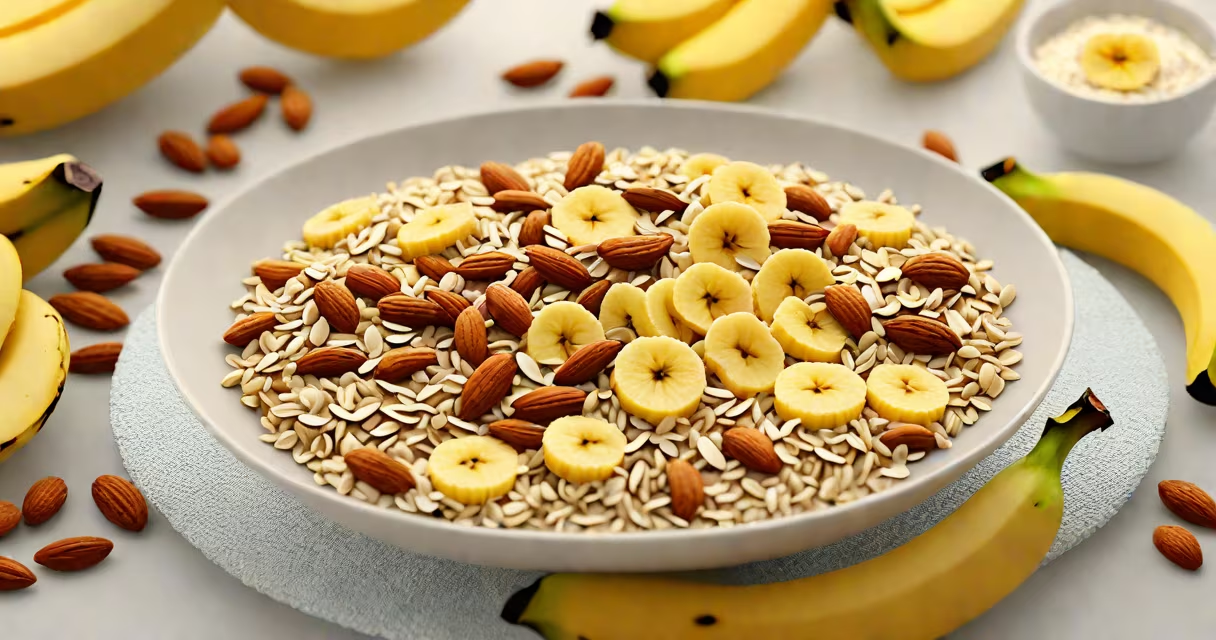
To soothe acid reflux, eat low-fat, low-acid foods like oatmeal, bananas, and almonds. These reduce stomach acid production and ease irritation.
Acid reflux occurs when stomach acid flows back into the esophagus. Certain foods can trigger this by relaxing the lower esophageal sphincter (LES) or increasing stomach acid.
The LES acts as a valve between the stomach and esophagus. Foods high in fat, acid, or spices can weaken it, allowing acid to escape. Low-fat, low-acid foods help keep the LES tight and reduce reflux episodes.
These foods are generally safe for people with acid reflux:
People with acid reflux often follow a specific diet to manage symptoms. The goal is to avoid trigger foods and focus on those that soothe the digestive system.
For example, a typical breakfast for someone with acid reflux might include oatmeal with sliced bananas and almonds. This combination is low in fat and acid, making it gentle on the stomach.
Many people assume citrus fruits, tomatoes, and spicy foods are the only triggers. However, other common foods like chocolate, mint, and fatty meats can also cause reflux.
Another mistake is eating large meals or lying down immediately after eating. Both habits increase pressure on the stomach, pushing acid upward.
Here's a sample meal plan for managing acid reflux:
| Meal | Food Options |
|---|---|
| Breakfast | Oatmeal with sliced bananas and almonds |
| Lunch | Grilled chicken with steamed carrots and spinach |
| Dinner | Baked salmon with broccoli and quinoa |
| Snacks | Yogurt, apples, or melons |
This plan focuses on low-fat, low-acid foods that are easy to digest and won't trigger reflux.
I once helped a friend manage their acid reflux by adjusting their diet. We replaced spicy foods with mild, low-acid options and saw a significant improvement in their symptoms within a week.