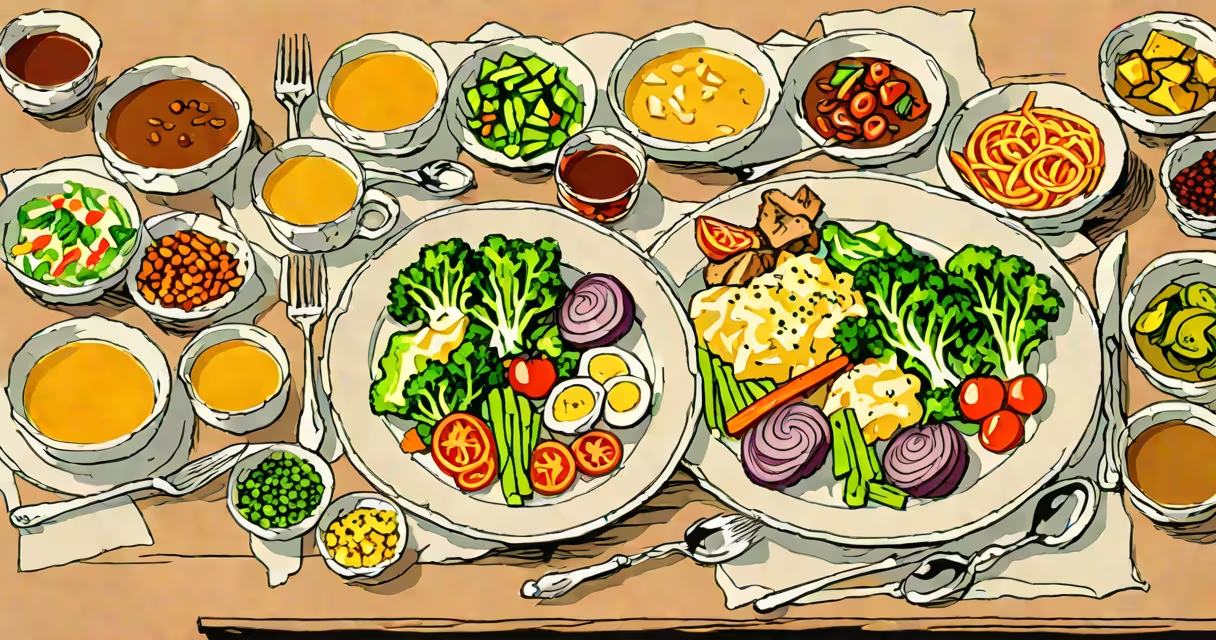
Gastroparesis is a condition where the stomach empties slowly due to weakened muscle contractions. Safe foods include low-fat, low-fiber options like boiled vegetables, lean proteins, and broth-based soups. Avoid high-fat, high-fiber, and tough-to-digest foods.
Gastroparesis slows digestion, causing symptoms like nausea, vomiting, bloating, and discomfort. The condition often stems from nerve damage, diabetes, or surgery. Managing it requires careful food choices to prevent flare-ups.
Safe foods for gastroparesis are typically easy to digest and low in fat and fiber. Here's a breakdown:
| Food Type | Examples |
|---|---|
| Lean Proteins | Chicken breast, fish, tofu, eggs |
| Low-Fiber Vegetables | Zucchini, carrots, spinach, pumpkin |
| Low-Fat Dairy | Yogurt, lactose-free milk, cottage cheese |
| Easy-to-Digest Grains | White rice, oatmeal, refined bread |
Many people mistakenly think they must eliminate all carbs or fats. However, balance is key. For example, a common error is avoiding all dairy, but low-fat yogurt can actually aid digestion. Another mistake is relying too much on processed foods, which lack nutrients and can worsen symptoms.
I once tried a strict liquid diet for a week, thinking it would help. While it reduced some symptoms, it left me fatigued and malnourished. A balanced approach with soft, easily digestible foods worked better long-term.
Small, frequent meals are better than three large ones. Chew thoroughly and eat slowly. Drink fluids between meals, not during them, to avoid overfilling the stomach. Keep a food diary to track which foods trigger symptoms.
For example, a typical meal plan might include scrambled eggs and toast for breakfast, a chicken and vegetable soup for lunch, and baked fish with mashed potatoes for dinner. Snacks could be applesauce or a small serving of yogurt.
If symptoms persist despite dietary changes, consult a healthcare provider. Medications, dietary supplements, or further testing may be needed. Some people benefit from prokinetics, which help improve stomach emptying.
According to the National Institute of Diabetes and Digestive and Kidney Diseases, gastroparesis management often involves a combination of dietary adjustments and medical treatment. Always consult a doctor before making significant changes to your diet or medication regimen.