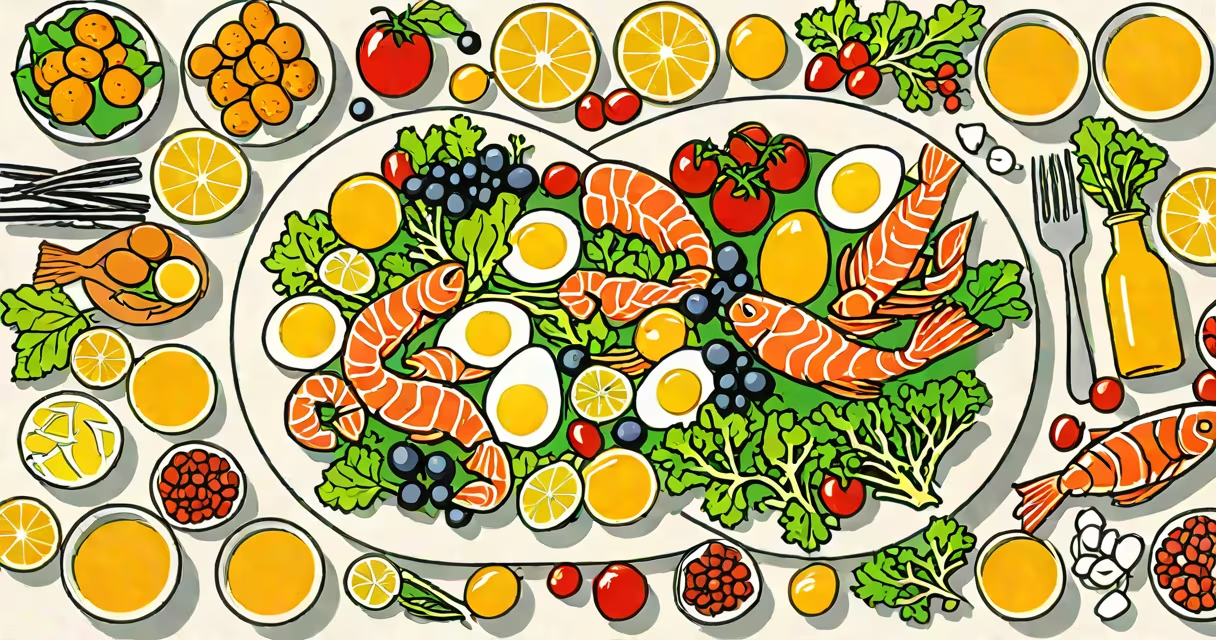
With hypothyroidism, prioritize iodine-rich foods like seafood, eggs, and dairy while avoiding goitrogens such as raw cruciferous vegetables.
Hypothyroidism occurs when your thyroid gland doesn't produce enough hormones, slowing metabolism. Proper nutrition supports thyroid function and health. The thyroid needs iodine to make hormones, so iodine-rich foods are essential. Conversely, certain foods called goitrogens can interfere with thyroid function.
Focus on these nutrient-dense foods:
Goitrogens, found in raw cruciferous vegetables (broccoli, cabbage, kale), soy products, and some nuts, can worsen hypothyroidism by blocking iodine uptake. Cooking these foods reduces their goitrogenic effects. Processed foods and excessive sugar may also negatively impact thyroid function.
A balanced meal plan for hypothyroidism includes:
| Meal | Examples |
|---|---|
| Breakfast | Scrambled eggs with spinach and whole-grain toast |
| Lunch | Grilled salmon with quinoa and steamed carrots |
| Dinner | Baked chicken with roasted sweet potatoes and green beans |
| Snacks | Greek yogurt with berries or a handful of almonds |
Many people think all soy products are harmful, but fermented soy like tempeh and miso are less goitrogenic. Another myth is that gluten-free diets are necessary for hypothyroidism, but unless you have celiac disease, gluten isn't directly linked to thyroid issues.
When I was diagnosed with hypothyroidism, I initially avoided all soy products. However, after consulting my doctor, I learned that moderate consumption of fermented soy was safe. This adjustment helped me maintain a balanced diet while managing my condition.