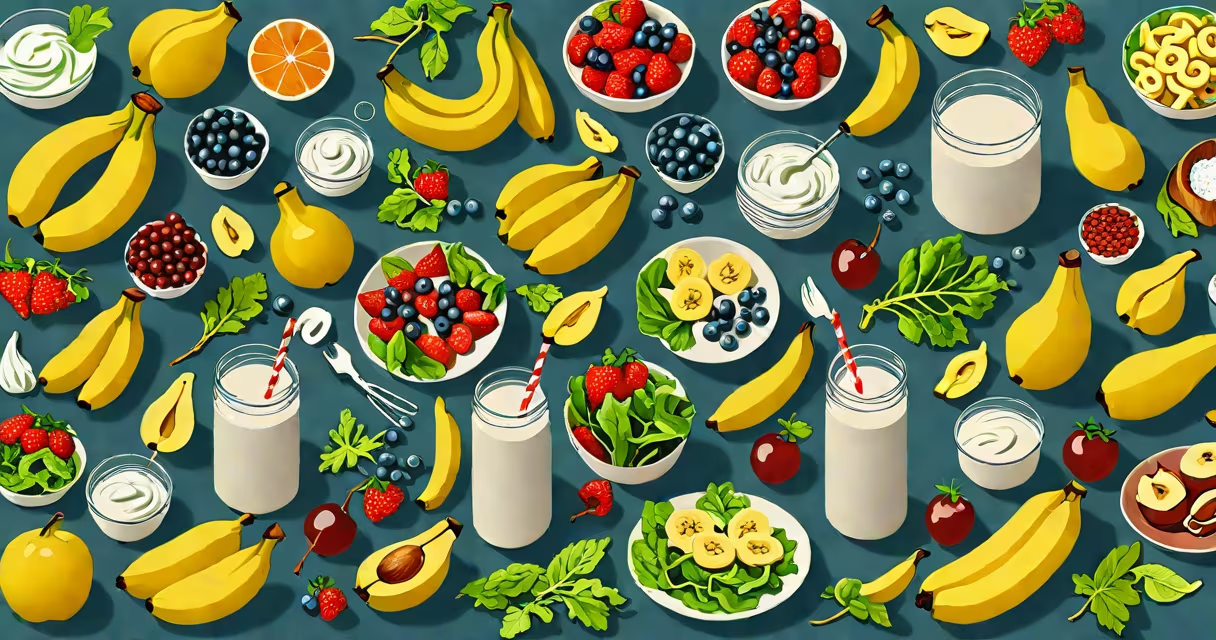
To support gut health, you can take probiotic supplements, eat fermented foods like yogurt and kefir, consume prebiotic-rich foods such as bananas and onions, and incorporate digestive enzymes for better nutrient absorption. These options help balance your microbiome, reduce inflammation, and alleviate digestive issues.
The human gut is home to trillions of bacteria, viruses, and fungi collectively called the microbiome. This system is important for digestion, immune function, and even mental health. When the microbiome is out of balance, it can lead to issues like bloating, constipation, or diarrhea. Taking the right supplements and foods can help restore this balance.
There are several categories of supplements and foods that support gut health:
People turn to gut health supplements and foods for various reasons, including relieving bloating, managing irritable bowel syndrome (IBS), or improving digestion. For example, probiotics are often recommended after a course of antibiotics to restore gut flora. Prebiotics help maintain a healthy microbiome by providing food for beneficial bacteria.
According to Harvard Medical School, a healthy diet rich in fiber, lean proteins, and healthy fats supports gut health., staying hydrated and reducing stress can improve digestion and microbiome balance.
One common misconception is that all probiotics are the same. Different strains serve different purposes-some may help with diarrhea, while others support immune function. Another mistake is assuming that more probiotics are always better; excessive intake can cause side effects like gas or bloating.
People also confuse prebiotics and probiotics, thinking they are interchangeable. Prebiotics are the food for probiotics, and both are necessary for a healthy gut. For example, taking a probiotic supplement without consuming prebiotic-rich foods may limit its effectiveness.
For someone experiencing occasional bloating, a daily routine might include:
This combination provides both probiotics and prebiotics, supporting a healthy microbiome and reducing bloating. Over time, this routine can improve digestion and gut health.