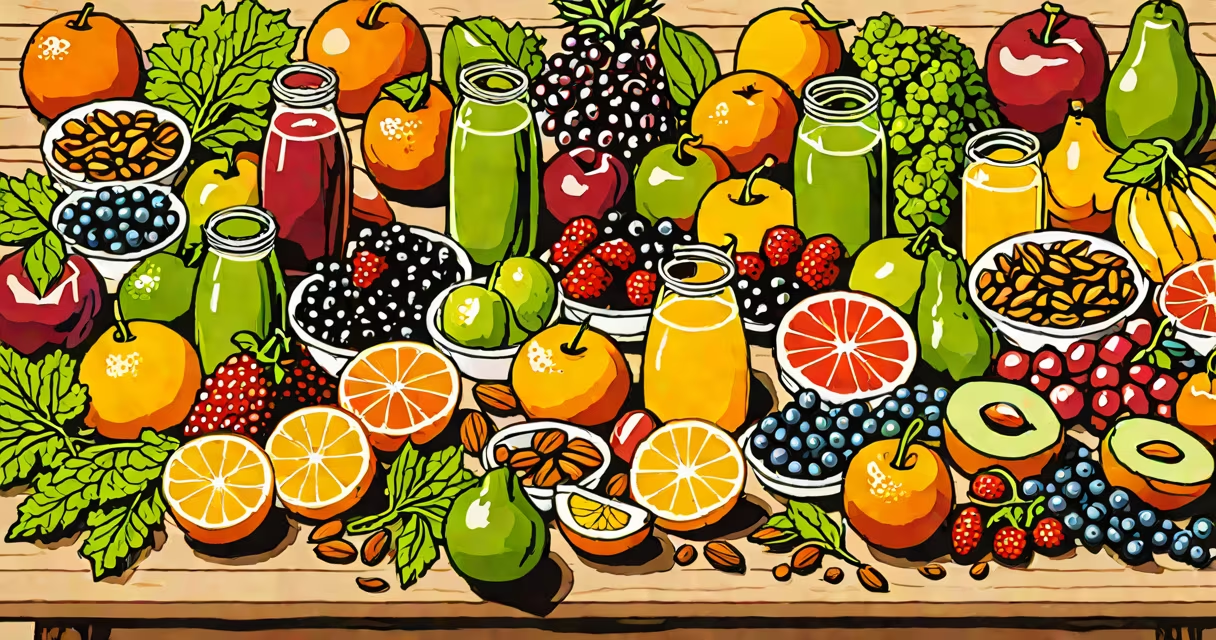
A juice cleanse restricts you to liquids, typically fruit and vegetable juices, water, and herbal teas. Some cleanses allow small portions of solid foods like raw fruits, vegetables, and nuts.
Juice cleanses aim to detoxify the body, improve digestion, and boost energy. They work by giving your digestive system a break while providing nutrients from fresh juices. Most cleanses last 1-3 days, though some extend to a week.
Cleanses vary in strictness. Common types include:
During a modified juice cleanse, focus on nutrient-dense, easy-to-digest foods. Examples include:
Many people confuse juice cleanses with detox diets or fasting. Unlike detox diets, which often include supplements or specific food groups, juice cleanses rely solely on liquid nutrition. Fasting involves abstaining from all food and drink except water.
Morning: Start with warm lemon water, followed by a green juice made from spinach, kale, and apple.
Mid-morning: Snack on a handful of almonds and a small apple.
Afternoon: Drink a carrot-ginger juice and eat a few slices of cucumber.
Evening: Sip on herbal tea and enjoy a small portion of mixed berries.
I tried a 3-day modified juice cleanse last year. On the second day, I added a handful of walnuts and a few slices of pear to my routine. The extra nutrients helped curb hunger and kept my energy levels stable.
People turn to juice cleanses for various reasons, including weight loss, improved digestion, and increased energy. A study published in the Journal of the Academy of Nutrition and Dietetics found that short-term juice cleanses can lead to temporary weight loss and improved digestion.
During a juice cleanse, you can eat raw fruits, vegetables, and nuts if the cleanse allows solid foods. Stick to freshly squeezed juices for liquid-only cleanses. Always consult a healthcare professional before starting any cleanse, especially if you have underlying health conditions.