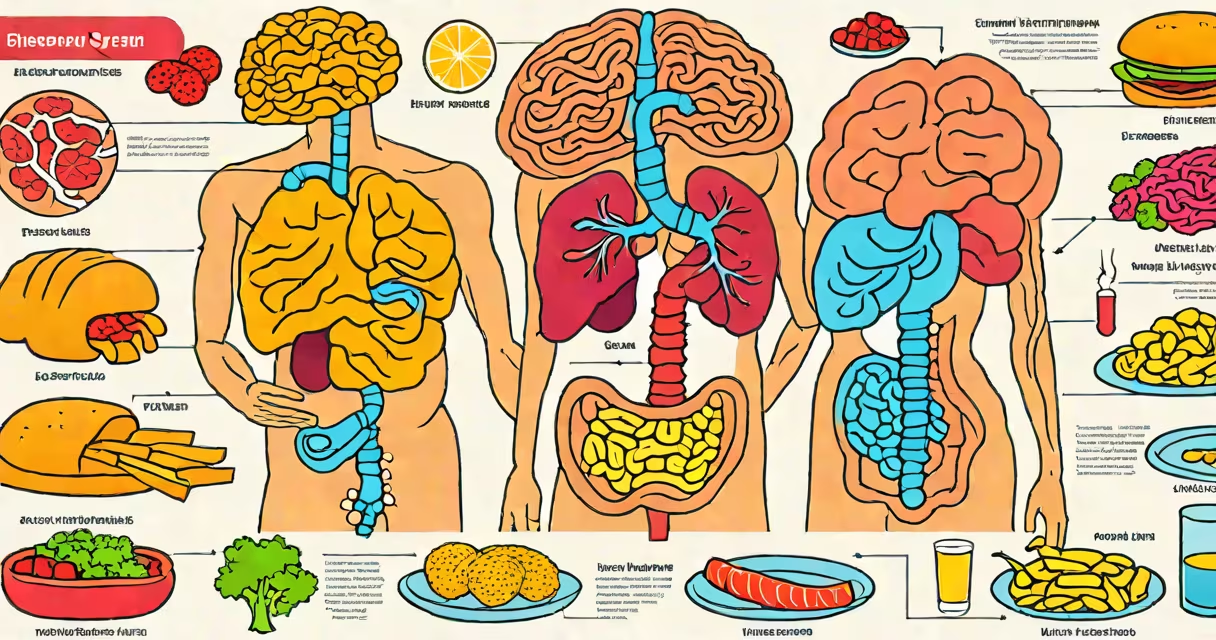
Hunger pains are rhythmic contractions of the stomach and small intestine caused by low blood sugar and the hormone ghrelin signaling the brain that the body needs food. These sensations typically occur when your stomach is empty for an extended period.
The primary driver of hunger pains is the hormone ghrelin, produced mainly in the stomach lining. When your stomach is empty, ghrelin levels rise and signal the brain's hypothalamus to initiate feelings of hunger. Simultaneously, low blood sugar triggers additional hunger signals.
These combined signals prompt the stomach and small intestine to contract in a pattern called the migratory motor complex (MMC). The MMC clears out undigested food and prepares the digestive tract for the next meal. These contractions can create the rumbling or growling sounds often associated with hunger.
Hunger manifests in two primary ways:
Occasional hunger pains are normal, especially between meals. However, persistent or severe hunger pains may indicate underlying issues. Conditions like gastroparesis, peptic ulcers, or gastritis can cause similar symptoms but require medical attention.
If hunger pains are accompanied by nausea, vomiting, or weight loss, consult a healthcare provider. Persistent hunger unrelated to meal patterns may also signal conditions like diabetes or thyroid disorders.
Many people assume hunger pains are solely about stomach emptiness. However, research shows the brain plays a important role. Studies from the National Institutes of Health show how the hypothalamus integrates signals from ghrelin and blood glucose to regulate appetite.
For example, stress can trigger ghrelin release independently of actual hunger, leading to cravings even after eating. This explains why some people eat more when stressed, despite recent meals.
Last winter, I experienced frequent hunger pains despite eating regular meals. After tracking my meals and symptoms, I realized the pains coincided with periods of high stress. A visit to my doctor confirmed elevated ghrelin levels due to stress. Adjusting my stress management routine resolved the issue.
Hunger pains result from ghrelin and low blood sugar signaling the brain. While normal between meals, persistent or severe pains may indicate health concerns. Understanding these signals helps distinguish between natural hunger and potential medical issues.
For more on stomach discomfort, see when stomach growls feel like hunger pains.