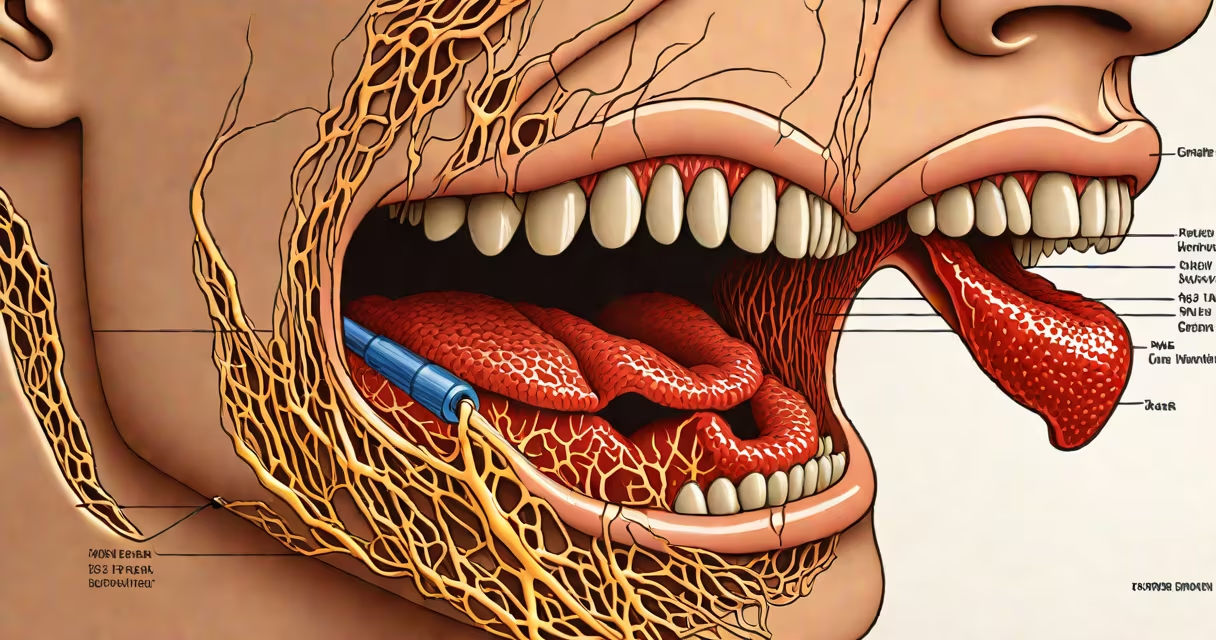
A sore taste bud results from inflammation or damage to the small sensory structures on your tongue. These bumps, called papillae, contain taste receptors and can become irritated from various sources.
Taste buds are clusters of cells that detect sweet, salty, sour, bitter, and umami flavors. They regenerate every 1-2 weeks, but injuries or infections can disrupt this process, leading to soreness.
The most common reasons for sore taste buds include:
Many people assume that sore taste buds are always caused by food. However, underlying conditions like nerve damage or vitamin deficiencies (such as zinc or B12) can also play a role. A study published in the Journal of Clinical Medicine found that nearly 20% of unexplained taste disorders stem from nutritional deficiencies.
To soothe sore taste buds, avoid irritating foods and drink cool water. Over-the-counter oral numbing gels can provide relief. If the issue persists, consult a doctor to rule out infections or allergies. Maintaining good oral hygiene and a balanced diet can help prevent future irritation.
I once experienced sore taste buds after eating a particularly spicy curry. The discomfort lasted for three days, but staying hydrated and avoiding acidic foods helped speed up recovery.