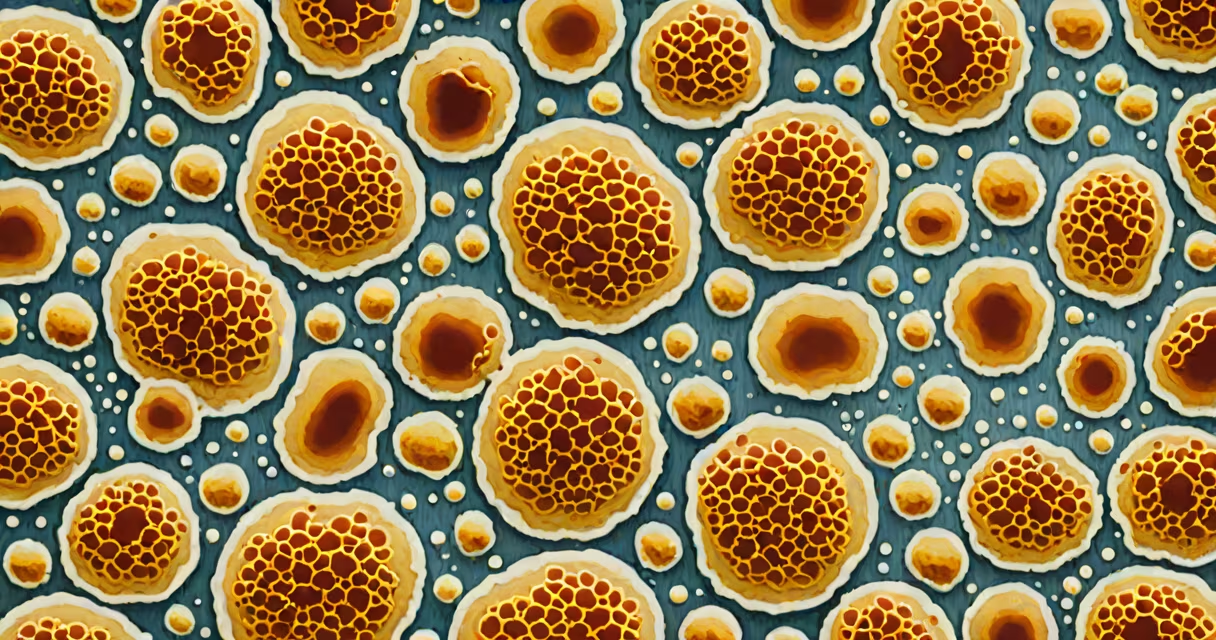
A yeast infection occurs when the fungus Candida albicans overgrows in warm, moist areas of the body, typically the vagina, mouth, or skin folds. This overgrowth disrupts the natural balance of microorganisms, leading to irritation and inflammation.
The human body hosts small amounts of Candida naturally. However, certain conditions allow this fungus to multiply uncontrollably. The immune system usually keeps Candida in check, but factors like antibiotics, hormonal changes, or weakened immunity can tip the balance.
| Type | Common Locations | Typical Symptoms |
|---|---|---|
| Vulvovaginal candidiasis | Vagina and vulva | Itching, burning, redness, white discharge |
| Oral thrush | Mouth and throat | White patches, soreness, loss of taste |
| Cutaneous candidiasis | Skin folds, nails, diaper area | Rash, scaling, itching |
Yeast infections often result from a combination of factors. Antibiotic use is a major contributor, as these medications kill beneficial bacteria that normally control yeast levels. Other common causes include:
According to the Centers for Disease Control and Prevention (CDC), about 75% of women will experience at least one yeast infection in their lifetime. Recurrent infections affect about 5-8% of women annually.
Many people confuse yeast infections with bacterial vaginosis or sexually transmitted infections (STIs). Unlike STIs, yeast infections are not caused by sexual activity, though they can occur more frequently in sexually active individuals due to increased moisture and changes in vaginal flora.
Another common myth is that yeast infections only affect women. Men can also develop yeast infections, particularly on the genitals or in the mouth. Proper hygiene and prompt treatment are important for both genders.
To reduce the risk of yeast infections, maintain good hygiene, wear loose-fitting clothing, and limit sugar intake. Probiotics may help restore healthy bacteria levels. For treatment, antifungal medications like fluconazole or clotrimazole are commonly prescribed.