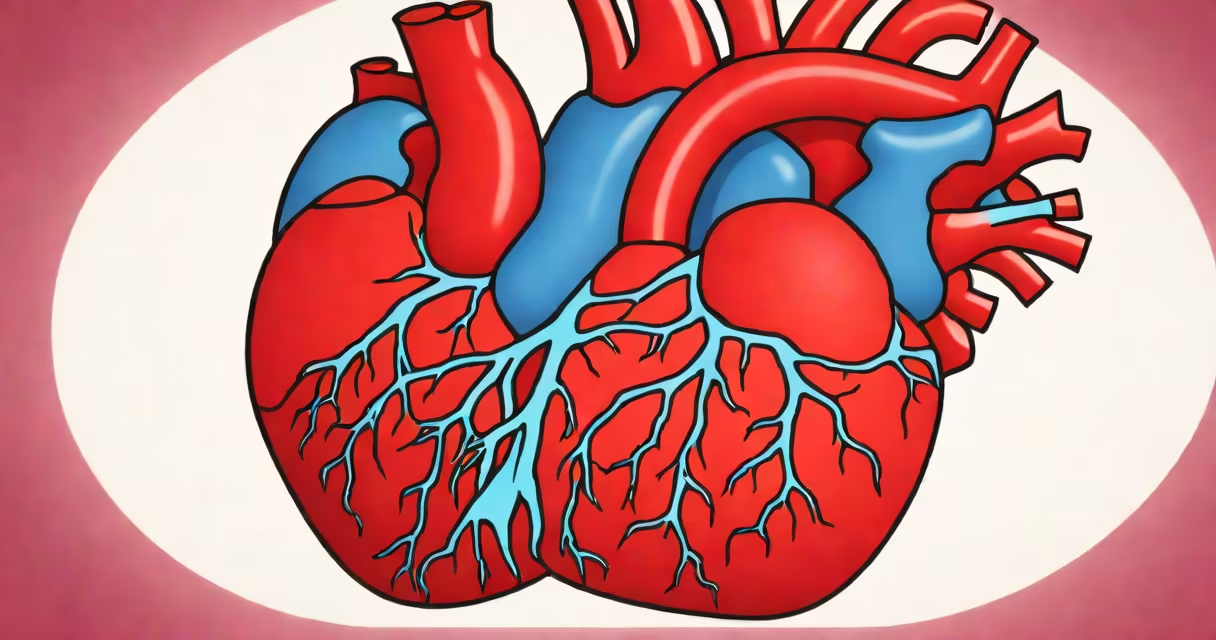
Congenital heart defects are structural problems present at birth, caused by abnormal heart development during pregnancy. These defects range from minor issues like small holes between heart chambers to severe malformations like underdeveloped heart valves.
Heart development begins early in pregnancy, around the third week, and completes most of its formation by the eighth week. Defects occur when something disrupts this process. The American Heart Association notes that while many cases have no clear cause, researchers identify several contributing factors.
Defects fall into categories based on their structure and function:
| Type | Description | Examples |
|---|---|---|
| Cyanotic defects | Cause oxygen-poor blood to flow through the body | Transposition of the great arteries, tetralogy of Fallot |
| Non-cyanotic defects | Cause abnormal blood flow within the heart | Ventricular septal defect, atrial septal defect |
| Obstructive defects | Block blood flow in heart chambers or vessels | Aortic stenosis, pulmonary valve stenosis |
While the exact cause is often unknown, research identifies several risk factors:
Treatment options vary based on defect severity. Some children outgrow mild defects, while others require medications, procedures, or surgeries. Many adults live full lives with proper management. The Centers for Disease Control and Prevention estimates that about 1% of babies born in the U.S. have a congenital heart defect.
I've seen firsthand how early detection and intervention make a difference. A family member's child was diagnosed with a ventricular septal defect through prenatal ultrasound. With careful monitoring and surgical repair, the child thrived and grew into a healthy adult.