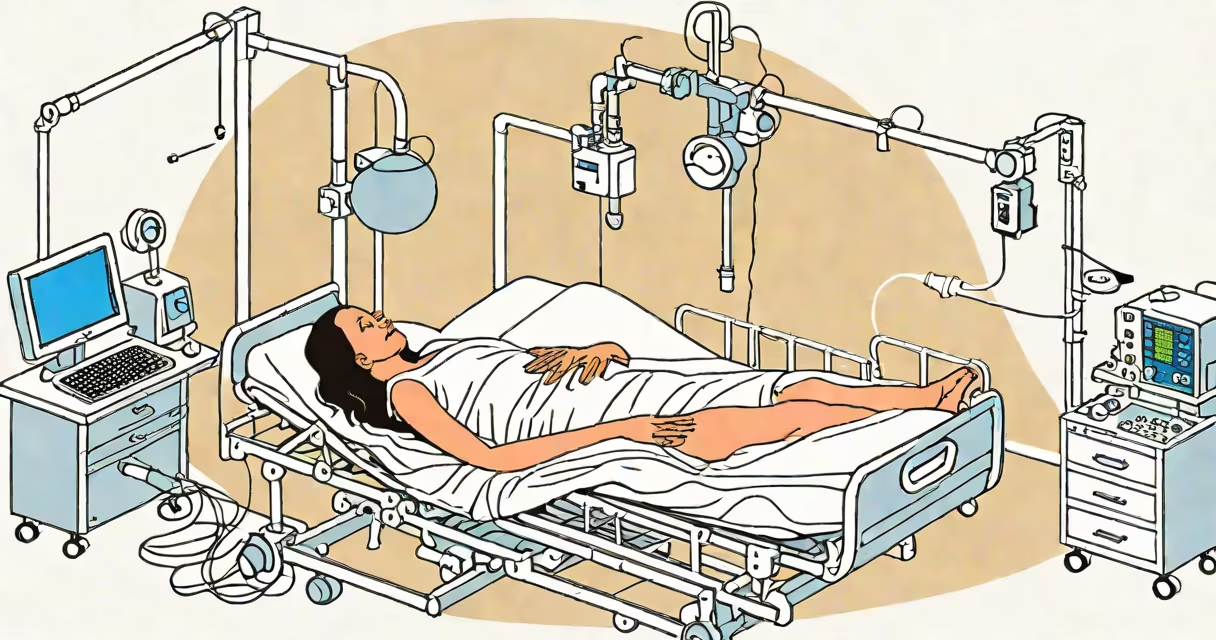
A low heart rate after giving birth, typically below 60 beats per minute (bpm), can result from normal physiological changes, dehydration, or underlying conditions like hemorrhage or infection. Most cases resolve within days, but persistent bradycardia may require medical evaluation.
During pregnancy, the heart pumps about 50% more blood to support the growing fetus. After delivery, the body gradually returns to pre-pregnancy levels, which can temporarily lower heart rate. The vagus nerve, which regulates heart rate, may also become more active postpartum, causing bradycardia.
Severe blood loss during childbirth can lead to low heart rate due to decreased blood volume. Infections, such as endometritis, can also cause bradycardia by triggering an inflammatory response that affects the cardiovascular system.
The most common causes of low heart rate after giving birth include:
Contact a healthcare provider if a low heart rate persists beyond a few days or is accompanied by symptoms like dizziness, fainting, chest pain, or shortness of breath. Severe symptoms, such as confusion or loss of consciousness, require immediate medical attention.
According to the American Pregnancy Association, postpartum hemorrhage affects about 1 in 20 births, making it a leading cause of low heart rate after delivery. Early recognition and treatment of hemorrhage can prevent complications like bradycardia.
After delivering my son via cesarean section, I experienced mild dizziness and a heart rate of 52 bpm. My healthcare provider monitored me closely and determined the cause was dehydration and mild blood loss. Increasing fluid intake and resting with my feet elevated resolved the issue within 48 hours.