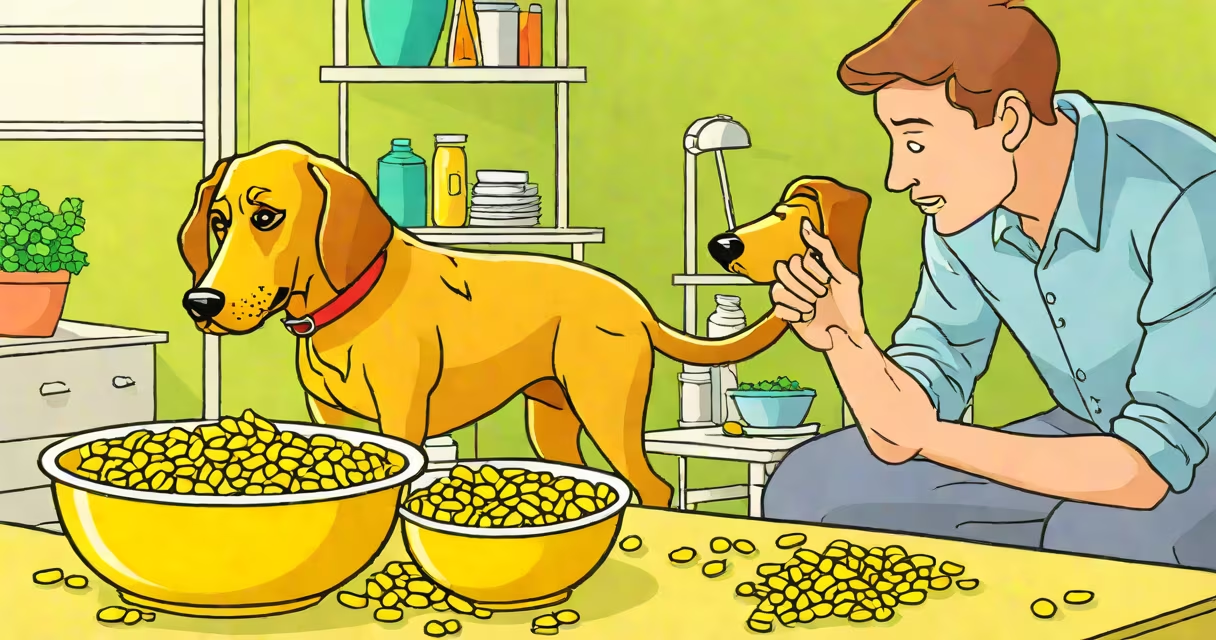
Dogs vomit yellow bile when their stomach empties partially or completely, leaving behind bile, a digestive fluid. This often indicates an underlying issue like dietary intolerance, infection, or inflammation.
Vomiting yellow bile occurs when a dog's stomach is empty or irritated. Bile, produced by the liver and stored in the gallbladder, aids digestion. When stomach contents are absent, bile remains and can cause irritation, leading to vomiting. This is different from regular vomiting, which expels undigested food.
The most common causes of dogs vomiting yellow bile include:
Occasional bile vomiting may not be urgent, but frequent or severe episodes require veterinary attention. Warning signs include:
If your dog shows these symptoms, consult a veterinarian immediately. Persistent vomiting can lead to dehydration, electrolyte imbalances, and other serious complications.
Many pet owners assume that vomiting yellow bile is always harmless. However, it can indicate serious health issues. For example, some believe it's just a mild stomach upset, but frequent bile vomiting may signal underlying conditions like pancreatitis or intestinal obstruction.
Another misconception is that feeding a dog immediately after vomiting helps. However, offering food too soon can worsen irritation. Instead, withhold food for 12-24 hours and provide small amounts of water frequently.
To reduce the risk of bile vomiting, follow these steps:
If your dog frequently vomits yellow bile, schedule a veterinary checkup to rule out chronic conditions. Early intervention can prevent serious health issues and ensure your pet stays healthy.
For more on pet health, see our guide on common causes of bloodshot eyes in dogs.