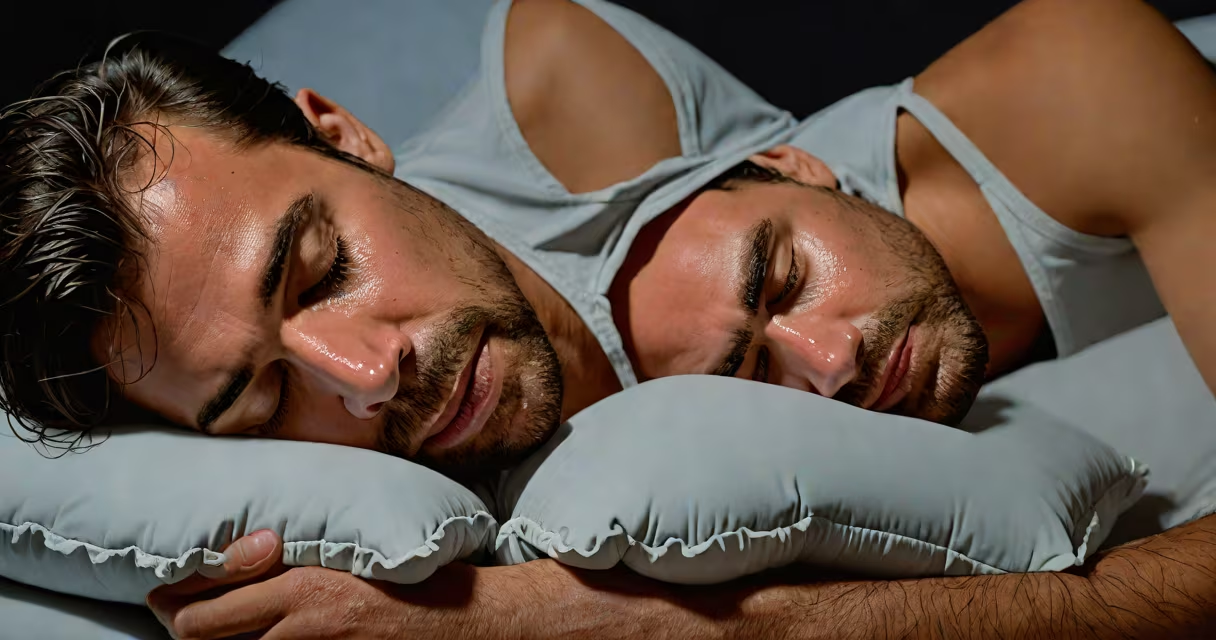
Excessive sweating at night, or night sweats, involves waking up drenched in sweat despite cool room temperatures. This condition often signals underlying health issues rather than merely overheating.
Night sweats differ from normal nocturnal sweating in intensity and frequency. While everyone sweats during sleep, night sweats involve heavy perspiration that soaks through clothing and bedding. The American Academy of Sleep Medicine notes that night sweats disrupt sleep quality and may indicate medical concerns.
Night sweats stem from various factors, including medical conditions, infections, and lifestyle choices. Common causes include:
Consult a healthcare provider if night sweats persist for weeks or accompany other symptoms like fever, weight loss, or fatigue. A doctor can rule out serious conditions by reviewing medical history, conducting physical exams, and ordering tests like blood work or imaging scans.
I once experienced persistent night sweats that lasted for three weeks. After ruling out infections and hormonal imbalances, my doctor diagnosed me with hyperthyroidism. Treatment normalized my thyroid levels, and the night sweats stopped.
Many people assume night sweats result solely from stress or poor sleep habits. While these factors can contribute, they rarely cause severe night sweats. The National Institutes of Health emphasize that persistent night sweats often signal underlying medical issues requiring professional evaluation.
Another misconception is that night sweats only affect older adults. While menopause is a common cause, younger individuals may also experience night sweats due to infections, medications, or hormonal disorders.
Lifestyle adjustments can help manage mild night sweats. These include wearing moisture-wicking pajamas, using breathable bedding, and maintaining a cool bedroom temperature. For severe cases, treating the underlying cause is essential.