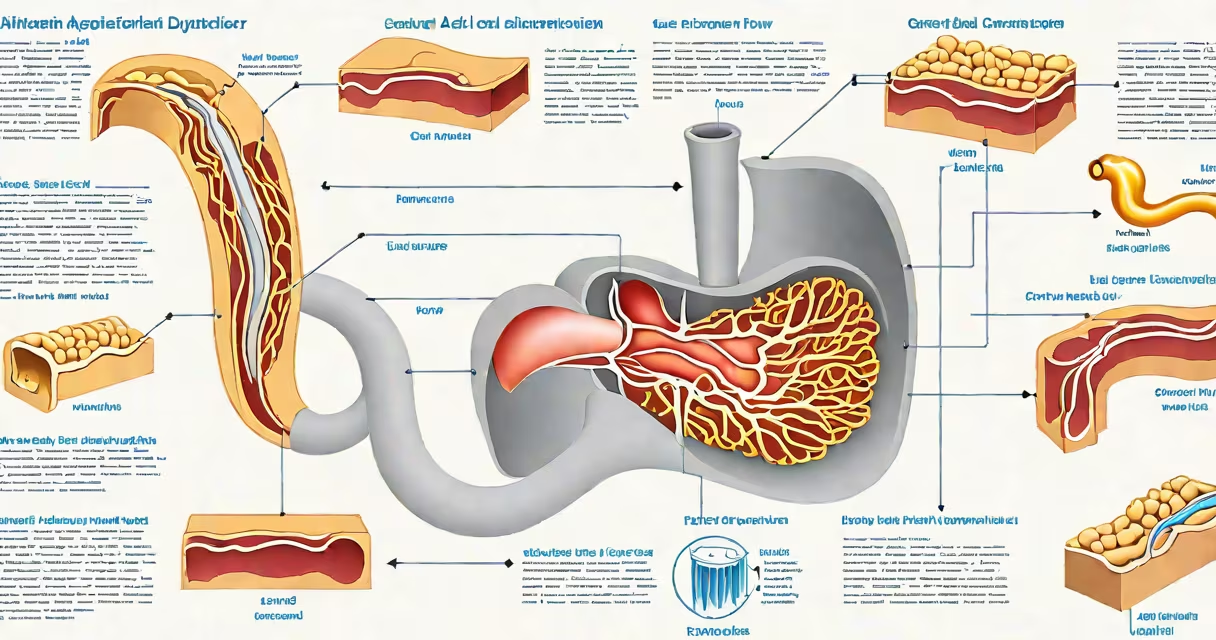
GERD (gastroesophageal reflux disease) and acid reflux occur when stomach acid flows backward into the esophagus. This happens when the lower esophageal sphincter (LES) weakens or relaxes abnormally. The condition affects about 20% of Americans.
The LES acts as a valve between the esophagus and stomach. Normally, it opens to allow food to pass, then closes tightly. When this muscle doesn't close properly, stomach contents can reflux into the esophagus, causing irritation and inflammation. Frequent episodes lead to GERD.
Several factors contribute to acid reflux:
Many people believe stress causes acid reflux, but research shows psychological stress doesn't directly trigger it. However, stress may lead to behaviors that worsen reflux, like eating poorly or smoking.
Doctors diagnose GERD through patient history, endoscopy, or pH monitoring. Treatment options include lifestyle changes, medications, and surgery in severe cases. Common medications are proton pump inhibitors (PPIs) and H2 blockers.
I once helped a patient with persistent heartburn by identifying their trigger food (tomatoes) and adjusting their medication timing. Their symptoms improved within weeks.