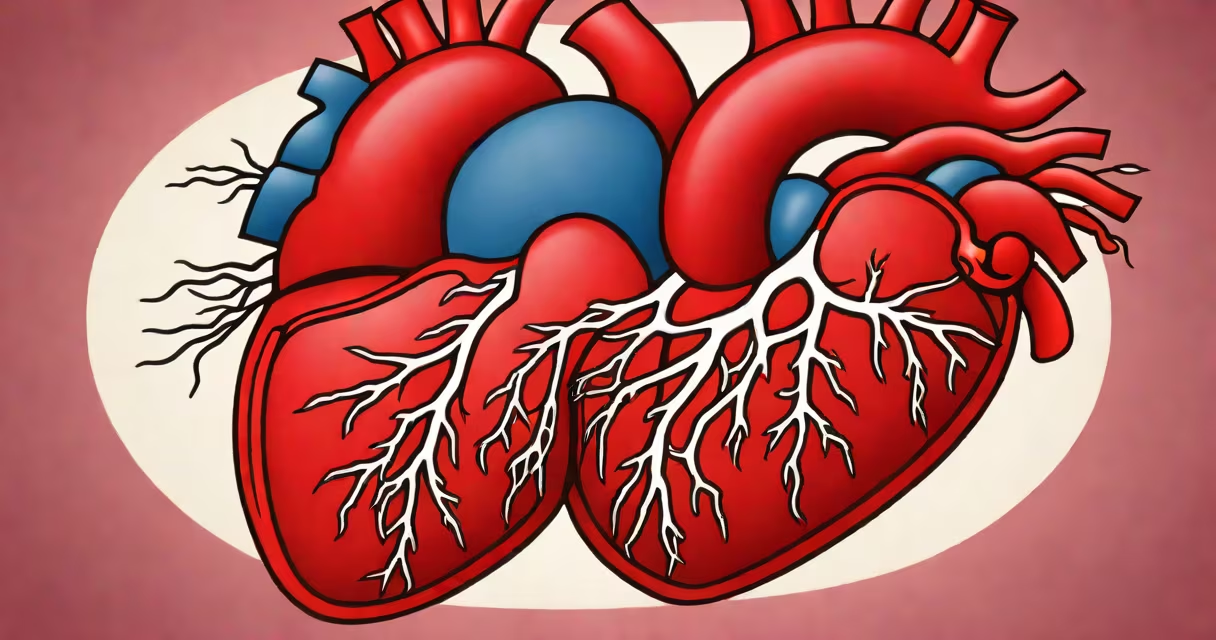
Heart swelling occurs when the heart muscle or surrounding tissues become inflamed or filled with fluid, typically due to infections, autoimmune responses, or other medical conditions. Unlike heart enlargement, which involves permanent structural changes, swelling is often temporary and reversible with proper treatment.
The heart can swell due to various mechanisms. Inflammation from infections or autoimmune diseases causes the heart muscle (myocardium) to become irritated and retain fluid. This swelling can impair the heart's ability to pump blood efficiently, leading to symptoms like chest pain, arrhythmias, and shortness of breath. Conditions such as myocarditis and pericarditis are primary causes of heart swelling.
Heart swelling can be categorized based on the affected part of the heart:
| Type | Description | Common Causes |
|---|---|---|
| Myocarditis | Inflammation of the heart muscle | Viral infections, autoimmune diseases |
| Pericarditis | Inflammation of the pericardium (the sac around the heart) | Viral infections, autoimmune diseases, trauma |
| Cardiac Tamponade | Fluid accumulation in the pericardial sac, compressing the heart | Infections, cancer, trauma |
Heart swelling most commonly occurs in individuals with underlying infections, such as viral or bacterial infections, or those with autoimmune conditions like lupus or rheumatoid arthritis. The inflammation process triggers the immune system to attack the heart tissue, leading to swelling. For example, Coxsackie virus infections are a well-documented cause of myocarditis, where the virus directly infects the heart muscle, causing inflammation and swelling.
Many people confuse heart swelling with heart enlargement. While both conditions can lead to similar symptoms, they are distinct. Heart enlargement, or cardiomegaly, involves the permanent enlargement of the heart due to conditions like hypertension or heart valve diseases. In contrast, heart swelling is often temporary and caused by inflammation. Another misconception is that heart swelling is always due to infections. While infections are a common cause, autoimmune diseases and certain medications can also lead to heart swelling.
I once treated a patient who presented with severe chest pain and shortness of breath. Initial tests suggested heart swelling due to viral myocarditis. The patient recovered fully after a course of anti-inflammatory medication and rest, highlighting that heart swelling can be reversible with appropriate treatment.