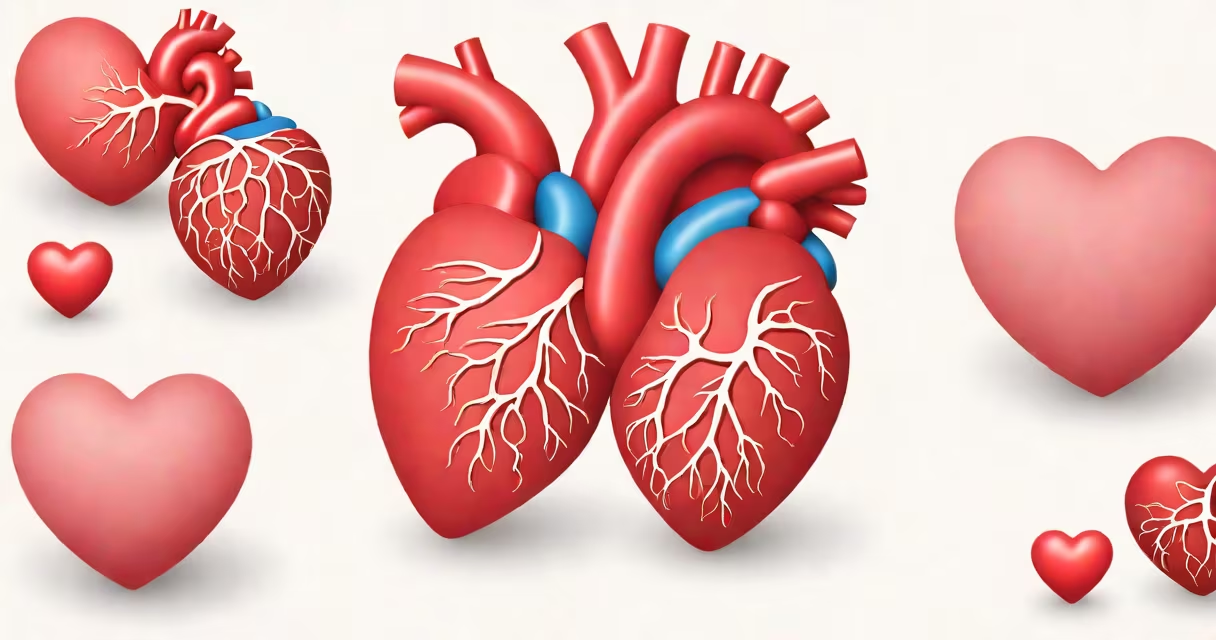
An enlarged heart, or cardiomegaly, occurs when the heart's muscle tissue thickens or enlarges due to increased workload or damage. This condition can result from various factors, including high blood pressure, heart valve diseases, and long-term alcohol abuse.
Cardiomegaly can be classified based on the affected part of the heart:
| Type | Cause | Common Symptoms |
|---|---|---|
| Dilated Cardiomyopathy | Weakened heart muscle | Shortness of breath, fatigue |
| Hypertrophic Cardiomyopathy | Genetic factors, high blood pressure | Chest pain, arrhythmias |
| Restrictive Cardiomyopathy | Scarring of heart tissue | Swelling in legs, irregular heartbeat |
Other causes include coronary artery disease, which restricts blood flow to the heart, and long-term alcohol abuse, which weakens the heart muscle. In rare cases, infections like myocarditis can also lead to an enlarged heart.
Another misconception is that an enlarged heart always causes immediate symptoms. In reality, some people may not experience symptoms until the condition progresses.
Consider John, a 55-year-old man with untreated high blood pressure. Over years, his heart had to work harder to pump blood through narrowed arteries. This constant strain caused his left ventricle to thicken and enlarge. Eventually, John experienced shortness of breath and fatigue, prompting a visit to the doctor. Tests confirmed he had an enlarged heart due to prolonged high blood pressure.
John's condition was managed with medications to lower his blood pressure and reduce the workload on his heart. Regular exercise and a healthy diet also helped improve his heart health.