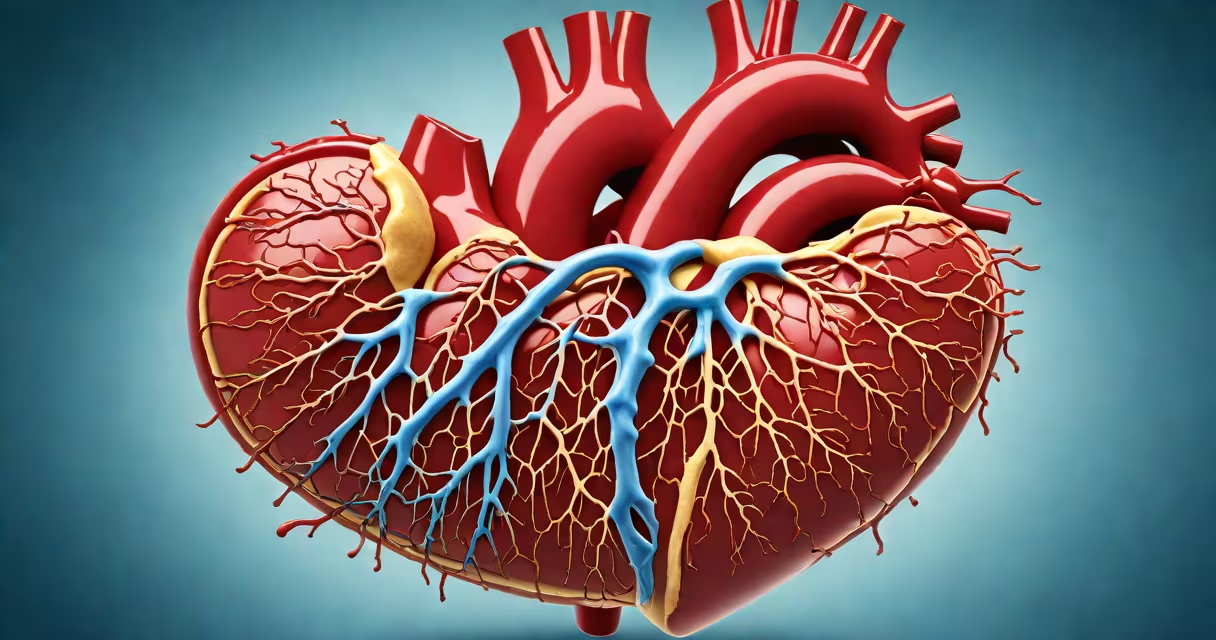
High enzymes in the heart typically result from heart muscle damage or stress, with elevated levels of troponin and creatine kinase (CK) serving as key indicators. These enzymes leak into the bloodstream when heart cells are injured, allowing doctors to diagnose conditions like heart attacks or myocarditis.
Heart enzyme tests measure specific proteins released during cardiac injury. The most important are troponin and creatine kinase-MB (CK-MB). Troponin is highly specific to heart damage, while CK-MB appears in both heart and skeletal muscle but is elevated during heart events. Blood tests detect these enzymes, with results available within hours.
| Enzyme | Normal Range | When Elevated |
|---|---|---|
| Troponin | <0.01 ng/mL | Heart attack, myocarditis, heart failure |
| Creatine Kinase-MB (CK-MB) | 0-5 ng/mL | Heart attack, heart injury, strenuous exercise |
| Lactate Dehydrogenase (LDH) | 105-333 IU/L | Heart attack, anemia, liver disease |
High heart enzymes usually signal cardiac issues, though other factors can contribute. The most frequent causes include:
Many people confuse high heart enzymes with other conditions. For instance, high liver enzymes are unrelated to cardiac issues, though both can result from metabolic disorders or excessive alcohol use. Unlike heart enzymes, liver enzymes like ALT and AST indicate liver damage rather than cardiac problems.
Another common mistake is assuming that any elevation in heart enzymes signals a heart attack. While troponin is highly specific to cardiac injury, CK-MB can also rise due to muscle damage from trauma or surgery. Doctors consider multiple factors, including symptoms and medical history, to interpret test results accurately.
If your blood tests show elevated heart enzymes, consult a healthcare provider immediately. They will evaluate your symptoms, medical history, and additional tests to determine the cause. Treatment depends on the underlying condition but may include medications, lifestyle changes, or procedures to improve heart function.
For example, if a heart attack is suspected, doctors may administer clot-busting drugs or perform angioplasty to restore blood flow. In cases of myocarditis, anti-inflammatory medications or antiviral treatments may be prescribed. Lifestyle changes, such as a heart-healthy diet and regular exercise, can help manage chronic conditions like heart failure.
Understanding what causes high enzymes in the heart is important for early diagnosis and treatment. If you experience chest pain, shortness of breath, or other cardiac symptoms, seek medical attention promptly. Early intervention can prevent further damage and improve outcomes.