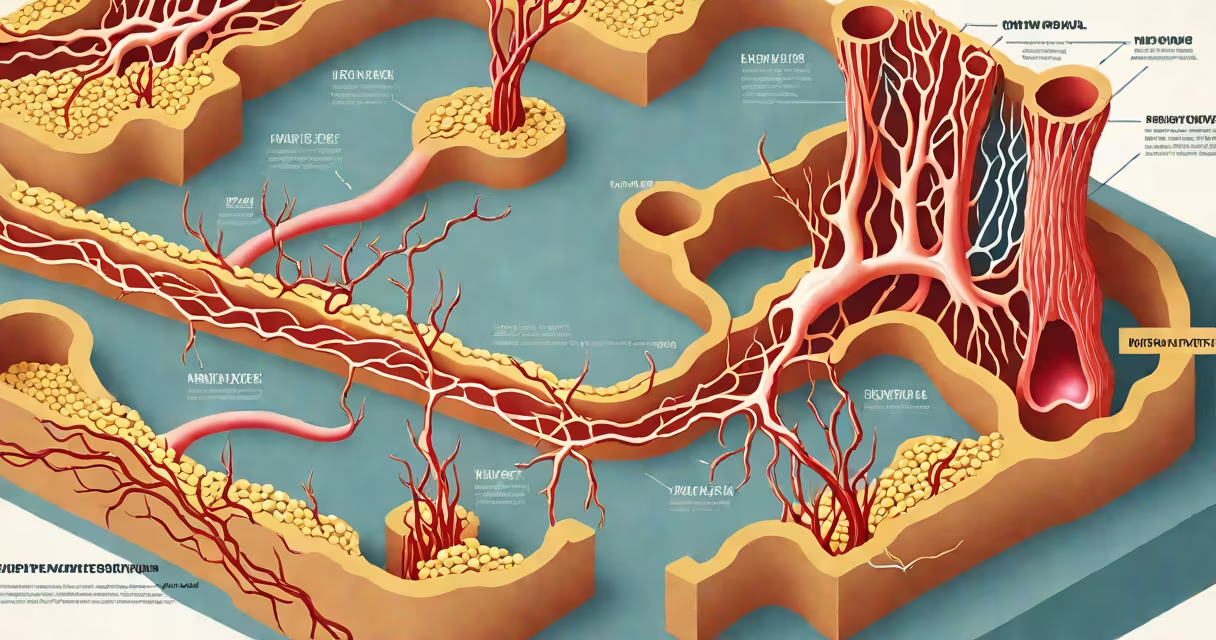
High pressure in your arteries, called hypertension, occurs when your blood pushes against vessel walls with excessive force. This chronic condition develops primarily from a combination of lifestyle factors, genetics, and aging. The most direct cause is increased resistance in small arteries, forcing the heart to pump harder.
Blood pressure measures two forces: systolic (pressure during heartbeats) and diastolic (pressure between beats). Normal readings fall below 120/80 mmHg. Consistent readings above 130/80 mmHg indicate hypertension, which strains the cardiovascular system and damages organs over time.
The extra force required to push blood through narrowed vessels creates tiny tears in artery walls. Your body responds by patching these tears with plaque made of cholesterol and other substances. This plaque buildup further narrows arteries, creating a vicious cycle that worsens hypertension.
Over time, high pressure damages delicate tissues in your heart, brain, kidneys, and eyes. In your heart, it causes left ventricular hypertrophy (thickened heart muscle) and increases heart attack risk. In your brain, it contributes to strokes and vascular dementia. Kidneys suffer reduced function, potentially leading to kidney failure.
| Type | Cause | Percentage of Cases |
|---|---|---|
| Primary (essential) hypertension | Unknown specific cause (genetics + environment) | 90-95% |
| Secondary hypertension | Identifiable underlying cause | 5-10% |
Most cases (90-95%) have no identifiable single cause-a combination of genetic predisposition and lifestyle factors contributes to primary hypertension. Secondary hypertension results from specific conditions like kidney disease, hormonal imbalances, or medications.
Many people believe stress causes hypertension, but research shows it only triggers temporary spikes. Chronic stress may contribute indirectly by promoting unhealthy coping behaviors like poor diet and lack of exercise.
Another myth is that only overweight people develop high pressure. While excess weight increases risk, even thin individuals can develop hypertension due to genetic factors or other health conditions.
The DASH diet (Dietary Approaches to Stop Hypertension) demonstrates how food choices impact blood pressure. A study published in the New England Journal of Medicine showed participants reduced systolic pressure by 5.5 mmHg after eight weeks on this plan, which emphasizes fruits, vegetables, whole grains, and lean proteins while limiting sodium, saturated fat, and sugar.
Regular aerobic exercise like brisk walking lowers blood pressure by improving circulation and helping your heart work more efficiently. The American Heart Association recommends at least 150 minutes of moderate-intensity activity per week.
I saw these effects firsthand when working with patients at a community health clinic. One participant who adopted the DASH diet and began daily walking reduced his blood pressure from 158/96 to 132/84 within three months without medication.
For those already diagnosed, medications like ACE inhibitors, beta blockers, and diuretics help manage symptoms. These work by either relaxing blood vessels, reducing blood volume, or slowing heart rate.