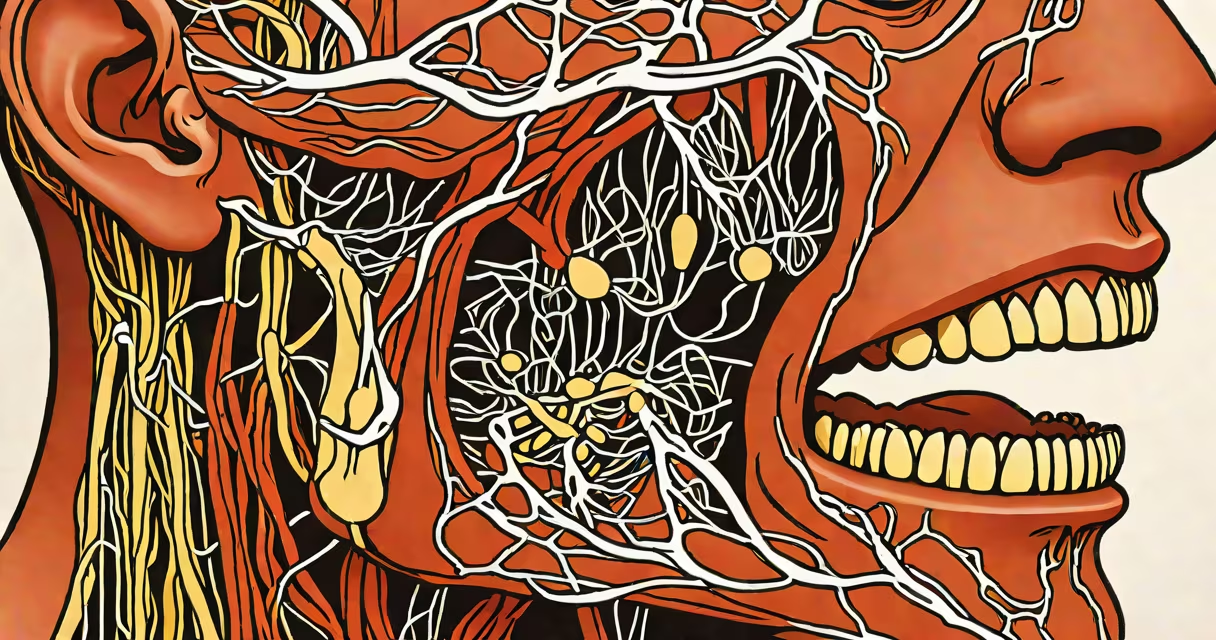
Involuntary mouth movements result from neurological conditions, muscle spasms, or medications affecting motor control. These movements range from mild twitches to severe tics.
Involuntary mouth movements occur when signals between the brain and facial muscles disrupt normal function. The brain's basal ganglia and cortex regulate voluntary movements, but damage or dysfunction can cause uncontrolled twitches or tics.
| Type | Description | Common Causes |
|---|---|---|
| Tics | Sudden, repetitive movements or sounds | Tourette syndrome, stress, fatigue |
| Muscle Spasms | Brief, painful contractions | Dehydration, electrolyte imbalance, nerve damage |
| Dyskinesia | Abnormal, involuntary movements | Medications for Parkinson's disease, Huntington's disease |
Involuntary mouth movements often occur due to neurological disorders like Tourette syndrome or medication side effects. For example, people with Tourette syndrome experience sudden, repetitive movements or vocalizations called tics. Stress and fatigue can worsen these symptoms.
Muscle spasms in the mouth can result from dehydration, electrolyte imbalances, or nerve damage. These spasms often feel like brief, painful contractions. Dyskinesia, another type of involuntary movement, can occur as a side effect of medications used to treat conditions like Parkinson's disease.
Many people confuse involuntary mouth movements with voluntary habits like chewing gum or biting nails. Unlike habits, involuntary movements occur without conscious control and can be more persistent. Another misconception is that these movements always indicate a serious condition. While some cases require medical attention, others may resolve with simple lifestyle changes.
Sarah, a 30-year-old office worker, noticed sudden twitches around her mouth. She visited a neurologist, who diagnosed her with mild muscle spasms caused by dehydration. After increasing her water intake and adjusting her electrolyte balance, Sarah's symptoms improved within a week.