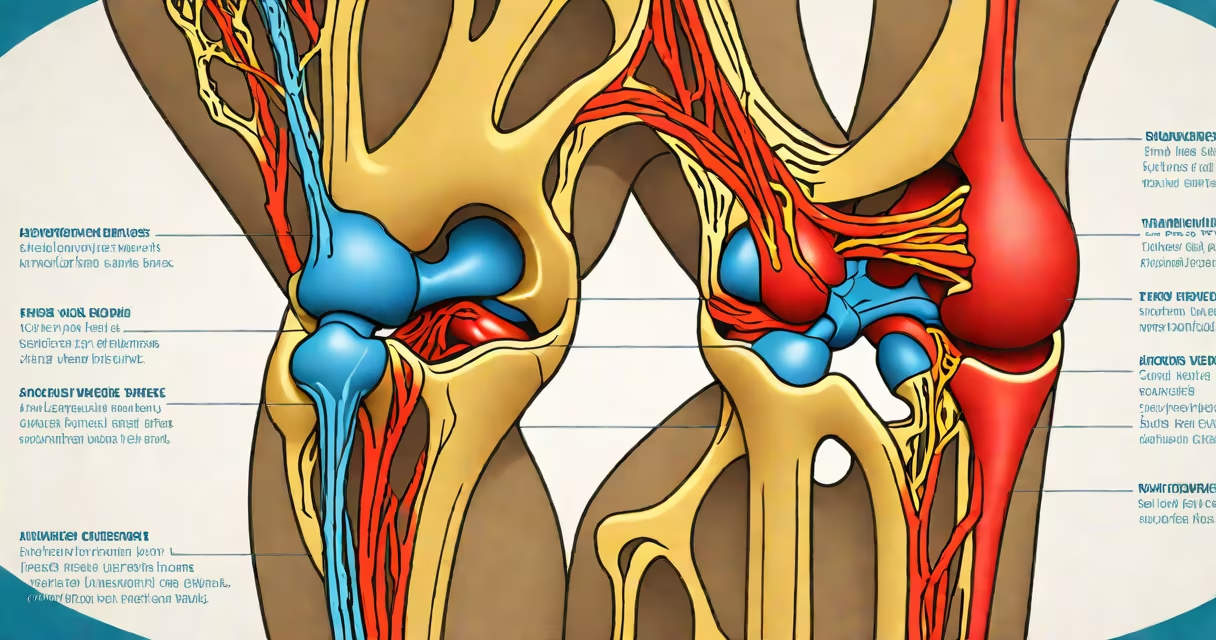
Knee numbness occurs when nerves in or around the knee are compressed, damaged, or irritated, disrupting normal sensation. This can result from direct injury, chronic conditions, or pressure on nearby structures.
The knee contains several nerves that provide sensation and control movement. When these nerves are compressed or injured, they may not transmit signals properly, leading to numbness. The most common nerves affected are the femoral nerve, sciatic nerve, and peroneal nerve.
For example, the peroneal nerve runs along the outer part of the knee. If this nerve is compressed-often due to prolonged pressure or swelling-the result is numbness or tingling in the knee and lower leg. This is why sitting cross-legged for too long can cause temporary knee numbness.
Knee numbness can stem from various sources, including acute injuries, chronic conditions, and lifestyle factors. Here are the most common causes:
Many people assume knee numbness is always due to an injury or arthritis. However, it can also result from nerve-related conditions like peripheral neuropathy, which affects about 20 million Americans, according to the National Institute of Neurological Disorders and Stroke.
Another misconception is that knee numbness is harmless. While temporary numbness from sitting awkwardly is usually fine, persistent numbness could indicate a serious underlying issue, such as a spinal problem or diabetes.
If knee numbness is accompanied by severe pain, weakness, or loss of function, see a doctor immediately. Persistent numbness-especially if it spreads or worsens-could signal nerve damage requiring treatment.
Diagnosis typically involves a physical exam, imaging tests like MRI or X-rays, and sometimes nerve conduction studies. Treatment options range from physical therapy and medication to surgery, depending on the cause.
I once treated a patient whose knee numbness was initially dismissed as arthritis. After further testing, we discovered a compressed nerve from a previous sports injury. Correcting the nerve issue resolved the numbness completely.
To reduce the risk of knee numbness, maintain a healthy weight, stay active, and avoid prolonged pressure on the knee. Proper footwear and ergonomic adjustments can also help prevent nerve compression.
If you experience frequent knee numbness, consult a healthcare professional to rule out serious conditions and receive appropriate treatment.