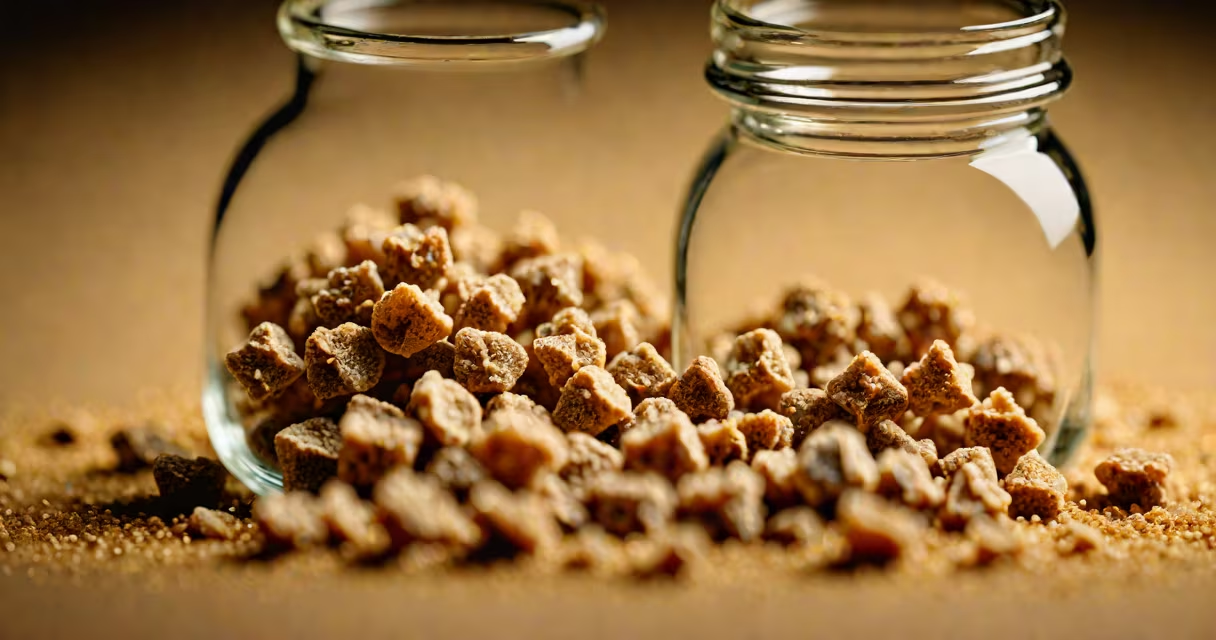
Kidney stones in urine typically appear as small, hard particles or grains, usually ranging in color. These stones form inside the kidneys and may pass through the urinary system, appearing in urine during this process.
Kidney stones develop when certain chemicals in the urine become concentrated, causing crystals to form. These crystals then grow larger over time, becoming stones. When these stones move through the urinary tract, they can cause pain and discomfort. The appearance of kidney stones in urine can vary based on their composition and size.
The most common types of kidney stones include calcium oxalate, uric acid, struvite, and cystine stones. Each type has distinct characteristics:
| Type | Appearance | Common Causes |
|---|---|---|
| Calcium Oxalate | Dark brown or black, often jagged | High oxalate intake, low calcium intake |
| Uric Acid | Reddish-brown, smooth | Low fluid intake, high protein diet |
| Struvite | Foul-smelling, off-white | Urinary infections |
| Cystine | Yellowish, hexagonal | Genetic disorder |
When kidney stones pass through the urinary system, they can appear in urine as tiny, sand-like particles or larger, more noticeable fragments. The size of the stones can range from less than 1 mm to over 5 mm. Smaller stones may resemble fine gravel, while larger ones can be more visible and may cause significant pain when passing.
For example, a person might notice small, yellowish grains in their urine, which could indicate the presence of smaller kidney stones. Larger stones may appear as darker, more distinct particles. The color and texture of the stones can provide clues about their composition and potential causes.
If you suspect you have kidney stones, it's important to consult a healthcare professional. Symptoms such as severe pain in the back or side, blood in the urine, nausea, and vomiting may indicate the presence of kidney stones. A healthcare provider can perform a urine analysis and other tests to confirm the diagnosis and recommend appropriate treatment.
In my experience, noticing small, unusual particles in urine can be concerning. However, it's essential to consult a medical professional for accurate diagnosis and treatment. Ignoring symptoms can lead to complications, so seeking timely medical advice is important.