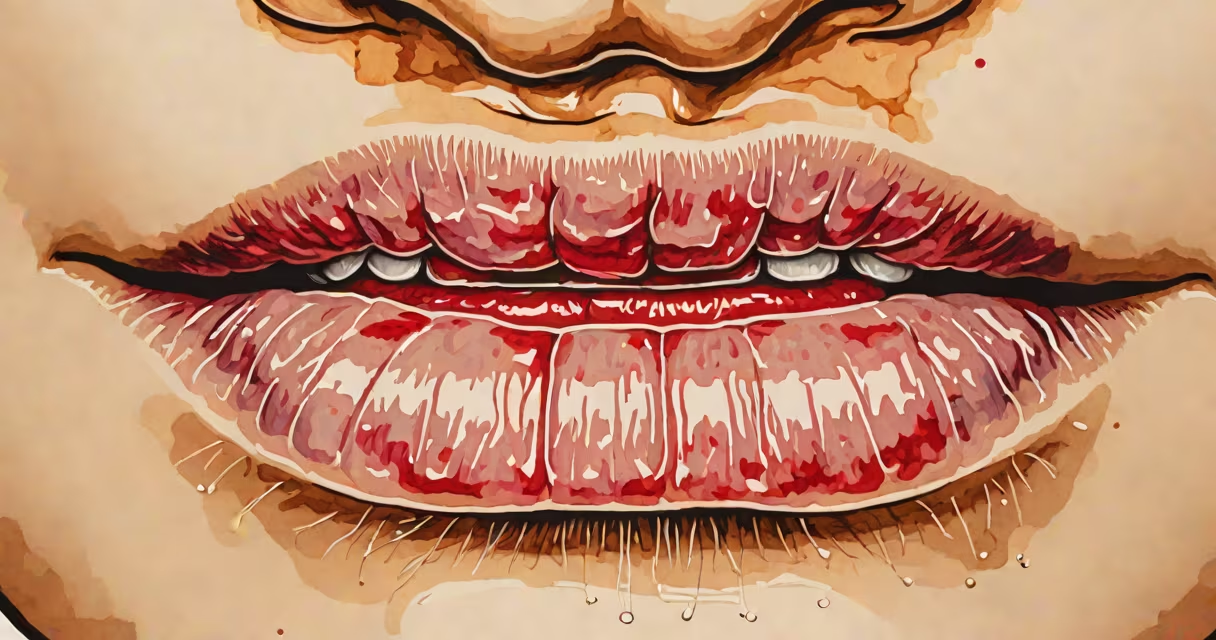
A herpes breakout appears as groups of small, painful blisters filled with clear fluid, typically forming on skin or mucous membranes. These lesions usually follow a predictable pattern of tingling, blistering, bursting, and crusting over.
The herpes simplex virus (HSV) causes recurring outbreaks that follow four distinct stages:
Outbreaks often recur in the same location due to the virus remaining dormant in nerve cells between episodes.
| Type | Common Locations | Typical Duration |
|---|---|---|
| Oral herpes (HSV-1) | Lips, mouth, gums, inside cheeks, nose | 7-14 days |
| Genital herpes (HSV-2) | Genitals, buttocks, inner thighs | 7-14 days |
| Herpes gladiatorum | Skin surfaces (from skin-to-skin contact) | 7-10 days |
While HSV-1 typically causes oral outbreaks and HSV-2 genital ones, either virus can affect any skin surface.
Many people confuse herpes with other conditions. Unlike acne or pimples, herpes:
Consult a healthcare provider if you experience:
Antiviral medications like acyclovir can shorten outbreaks and reduce severity when taken early.
I once mistook a severe allergic reaction for a herpes outbreak until a dermatologist confirmed the difference. The key distinguishing factor was the lack of preceding tingling sensation typical of herpes.
Herpes spreads through direct contact with active lesions. To reduce transmission risk:
Most people get HSV-1 during childhood from non-sexual contact, while HSV-2 primarily spreads through sexual contact.
Herpes outbreaks vary in appearance based on location and individual immune response. While no cure exists, understanding what herpes breakouts look like helps with early identification and management. Always consult a healthcare professional for accurate diagnosis and treatment options.