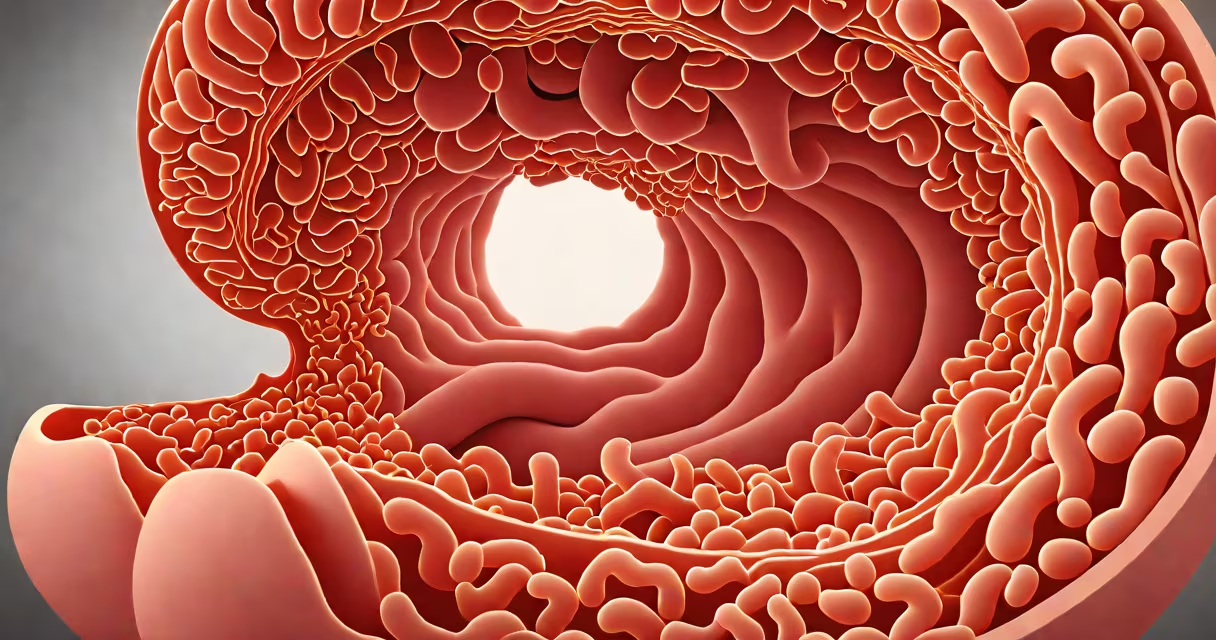
A healthy colon appears smooth, pink, and free of inflammation, ulcers, or abnormal growths. During a colonoscopy, doctors look for these signs to assess colon health.
Colonoscopies are the primary method for examining the colon. A flexible tube with a camera (colonoscope) is inserted through the rectum, allowing doctors to view the entire colon. The procedure checks for polyps, inflammation, or other abnormalities.
Healthy colons share several visual characteristics:
Doctors also check for normal movement (peristalsis) and the absence of bleeding or lesions.
Many people confuse a healthy colon with one that's completely spotless. Minor variations in color or texture are normal, but significant discoloration or roughness may indicate issues like colitis or diverticulosis.
Before the procedure, patients undergo bowel prep to clear the colon. During the exam, sedation keeps them comfortable while the doctor examines the colon. If polyps are found, they're removed to prevent potential cancer development.
I once accompanied a friend to their colonoscopy. The doctor showed us images of their colon, pointing out healthy areas and minor irregularities. Seeing the colon's smooth, pink lining up close was surprising-it looked nothing like the distorted images often shown in medical dramas.
Consult a healthcare provider if you experience persistent changes in bowel habits, blood in stool, or unexplained abdominal pain. These symptoms may indicate conditions like inflammatory bowel disease (IBD) or colorectal cancer.