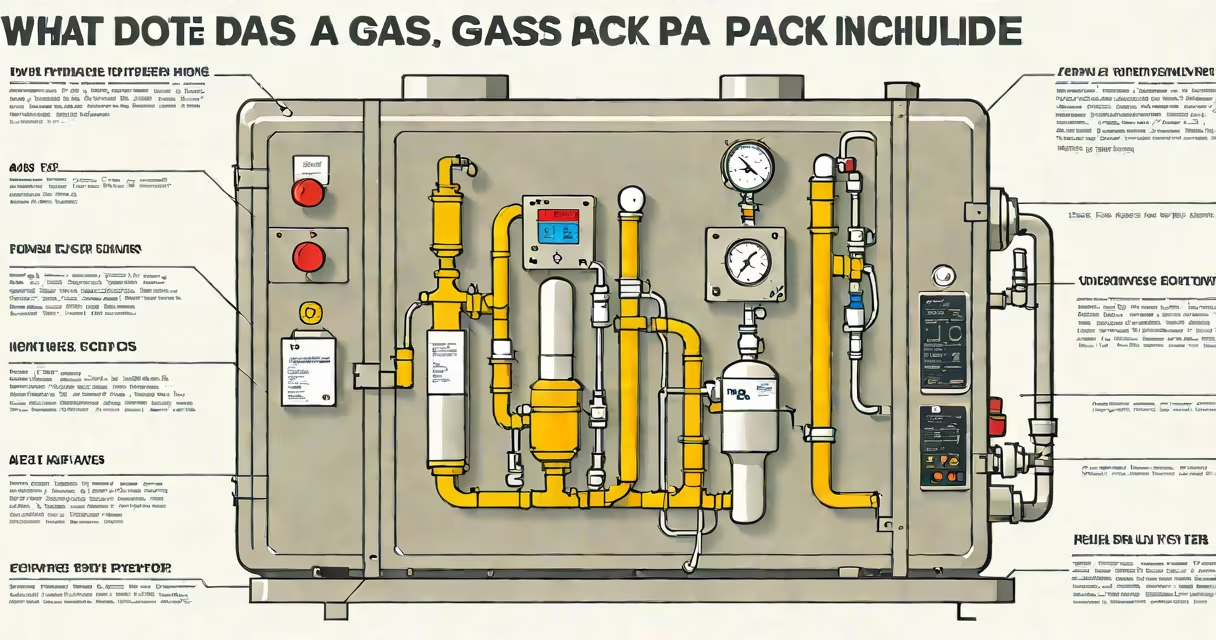
A gas pack is a single-unit heating and cooling system combining a gas furnace, air conditioner, and thermostat controls. These compact systems are popular in homes needing efficient space management.
Gas packs operate by using natural gas to heat air, which is then distributed through ductwork. The air conditioning component uses refrigerant to cool air during warmer months. This dual-function design eliminates the need for separate systems, reducing installation complexity and maintenance costs.
Every gas pack includes these core parts:
Some advanced models may include air purifiers or humidifiers as optional features.
| Type | Capacity Range | Best For |
|---|---|---|
| Small | 18,000 - 30,000 BTU | Studio apartments, small homes |
| Medium | 30,000 - 45,000 BTU | Average-sized homes |
| Large | 45,000 - 60,000 BTU | Large homes, commercial spaces |
Proper sizing ensures efficiency. A 3-ton unit (36,000 BTU) suits a 1,500-2,000 sq ft home.
Many assume gas packs are less efficient than split systems. However, modern gas packs achieve up to 95% AFUE ratings for heating and 16 SEER for cooling, matching many split systems' efficiency. Another myth is that they lack cooling power-high-end models offer comparable cooling to standalone AC units.
I installed a gas pack in my 1,200 sq ft home last winter. The 24,000 BTU unit maintained consistent temperatures, reducing energy bills by 15% compared to the previous electric baseboard setup.
Gas packs are ideal for:
They're popular in the southern U.S., where both heating and cooling demands are moderate. Cities like Phoenix and Atlanta see widespread gas pack adoption due to their compact design and efficiency in warm climates.