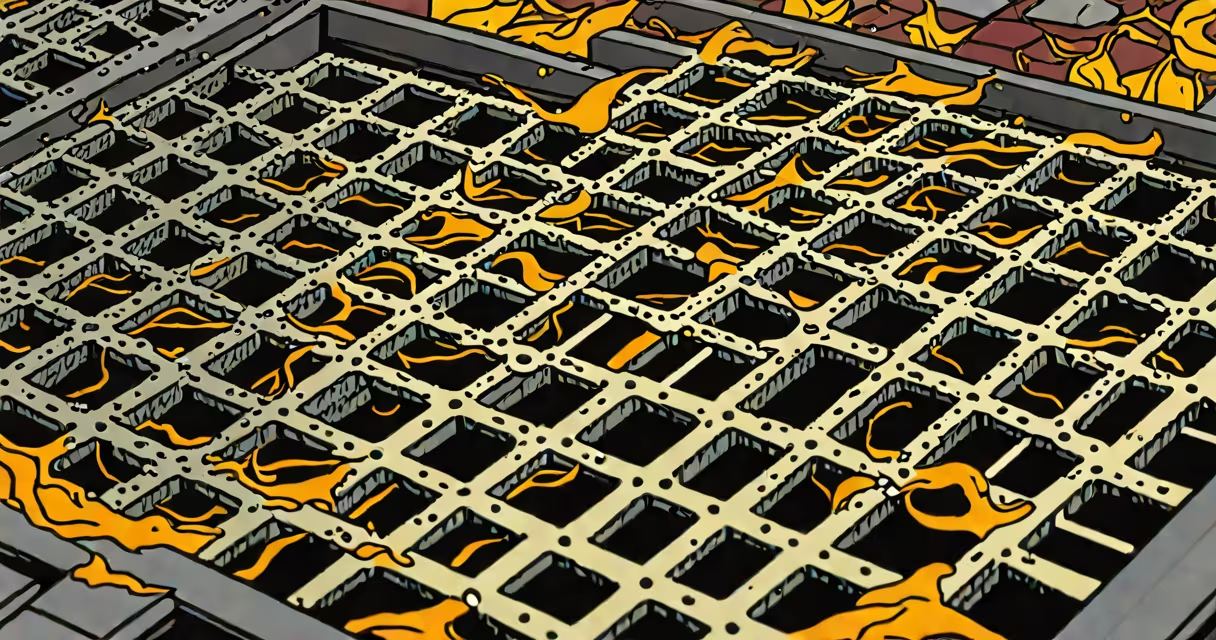
A storm drain is a ground-level grate that collects rainwater to prevent flooding, typically found in streets and parking lots. These drains are part of urban drainage systems designed to manage stormwater runoff efficiently.
Storm drains channel rainwater from surfaces like roads and roofs into underground pipes, which then direct the water to larger sewers or natural bodies of water. This system reduces the risk of flooding and erosion in urban areas. The grates are designed to filter out large debris while allowing water to flow through.
Storm drains come in various designs, each suited for different environments and water volumes. Common types include:
| Type | Description | Typical Use |
|---|---|---|
| Curb Inlet | A rectangular grate installed along curbs to capture runoff from streets. | Urban roads and highways |
| Catch Basin | A deeper grate with a sump to collect sediment and debris before water enters the pipe. | Parking lots and low-lying areas |
| Slot Drain | A linear grate often used in pedestrian areas to blend smoothly with the surroundings. | Sidewalks and plazas |
Many people confuse storm drains with sanitary sewers. Unlike sanitary sewers, which handle wastewater from homes and businesses, storm drains exclusively manage rainwater. This distinction is important because storm drains often discharge directly into local waterways without treatment, which can lead to pollution if contaminants enter the system.
In my neighborhood, storm drains are typically rectangular metal grates embedded in the asphalt. During heavy rains, I've noticed how effectively they divert water away from the road surface, preventing puddles and reducing the risk of hydroplaning. The grates are spaced about 30 feet apart, ensuring complete coverage.
Storm drains play a critical role in urban infrastructure. According to the Environmental Protection Agency (EPA), effective stormwater management can reduce flooding by up to 80% in densely populated areas. Properly maintained storm drains also minimize property damage and public health risks associated with standing water.
Understanding what storm drains look like and how they function helps residents and city planners maintain these essential systems. Regular inspections and cleanings are necessary to prevent clogs and ensure optimal performance during heavy rainfall.