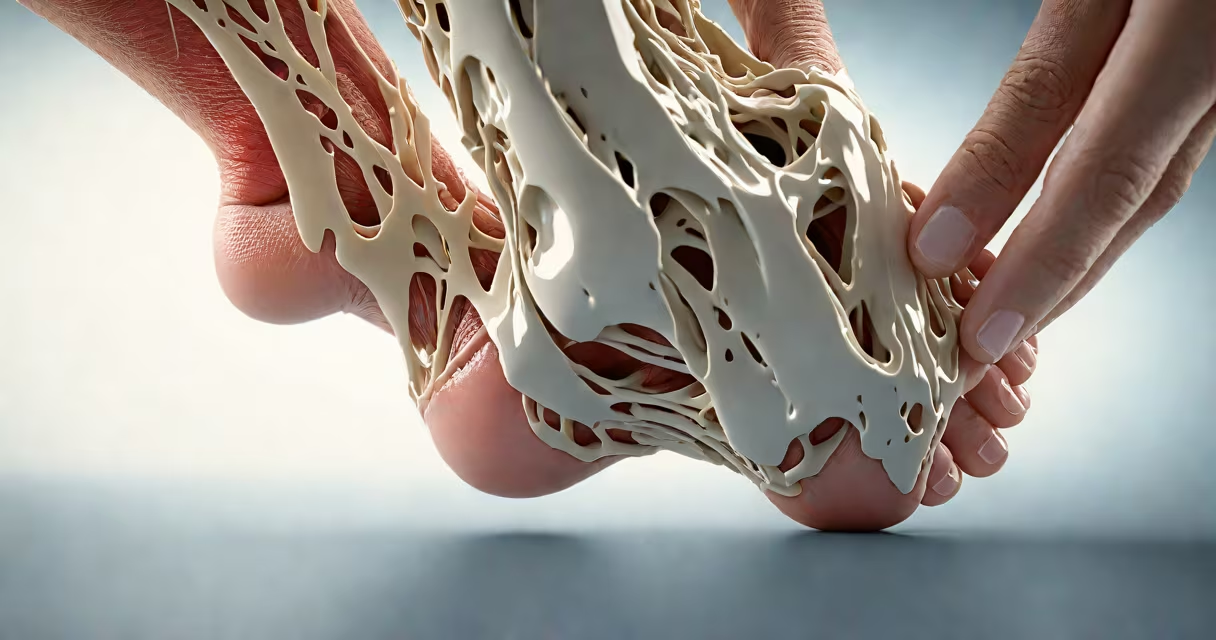
A torn tendon feels like sudden, sharp pain at the injury site, often with immediate swelling and bruising. The sensation may worsen with movement.
Tendons connect muscles to bones. When overstretched or torn, they cause immediate discomfort. Acute tears happen during sudden trauma, like twisting an ankle. Chronic tears develop from repetitive stress, such as tennis elbow.
| Type | Cause | Common Locations |
|---|---|---|
| Acute Tear | Sudden force or impact | Ankle, shoulder, knee |
| Chronic Tear | Repetitive strain | Elbow, wrist, rotator cuff |
The pain from a torn tendon is often described as a sudden, sharp sensation at the injury site. Swelling and bruising appear quickly. Movement may feel weak or painful. For example, a torn Achilles tendon feels like a hard kick in the calf, followed by swelling and difficulty walking.
Many people confuse tendon pain with muscle strains or joint pain. Unlike muscle strains, tendon injuries often involve visible swelling and bruising. Joint pain usually affects movement in multiple directions, while tendon pain is localized to specific movements.
If you suspect a torn tendon, see a doctor. Symptoms like severe pain, swelling, or inability to move the affected area require professional evaluation. Early treatment improves recovery outcomes. For example, a torn rotator cuff may feel like deep shoulder pain that worsens at night. A doctor can confirm the diagnosis with imaging tests.