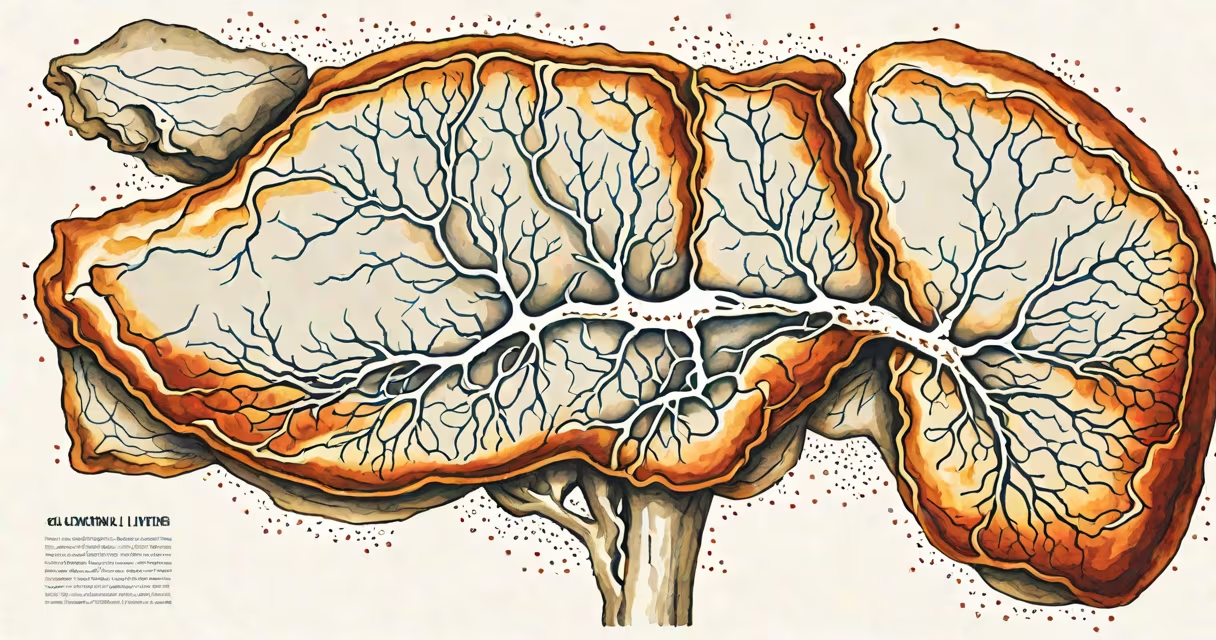
A white liver typically indicates fatty liver disease or other conditions causing fat accumulation or scarring. This discoloration signals potential health risks requiring medical attention.
The liver's normal reddish-brown color comes from blood flow and bile production. Discoloration often reflects underlying issues. A white or pale liver suggests reduced blood supply or fat infiltration, common in fatty liver disease or cirrhosis.
Several conditions can cause liver discoloration:
People often confuse liver discoloration with other conditions. A white liver isn't the same as a yellow liver from jaundice, which results from bile buildup. Unlike jaundice, a white liver doesn't cause visible skin changes.
Doctors diagnose liver discoloration through imaging and biopsies. Treatment focuses on addressing the underlying cause. For NAFLD, lifestyle changes like weight loss and exercise are key. In severe cases, medications or procedures may be necessary.
I once spoke with a patient who noticed their liver appeared pale during an ultrasound. Early diagnosis of NAFLD allowed them to reverse damage through diet and exercise.