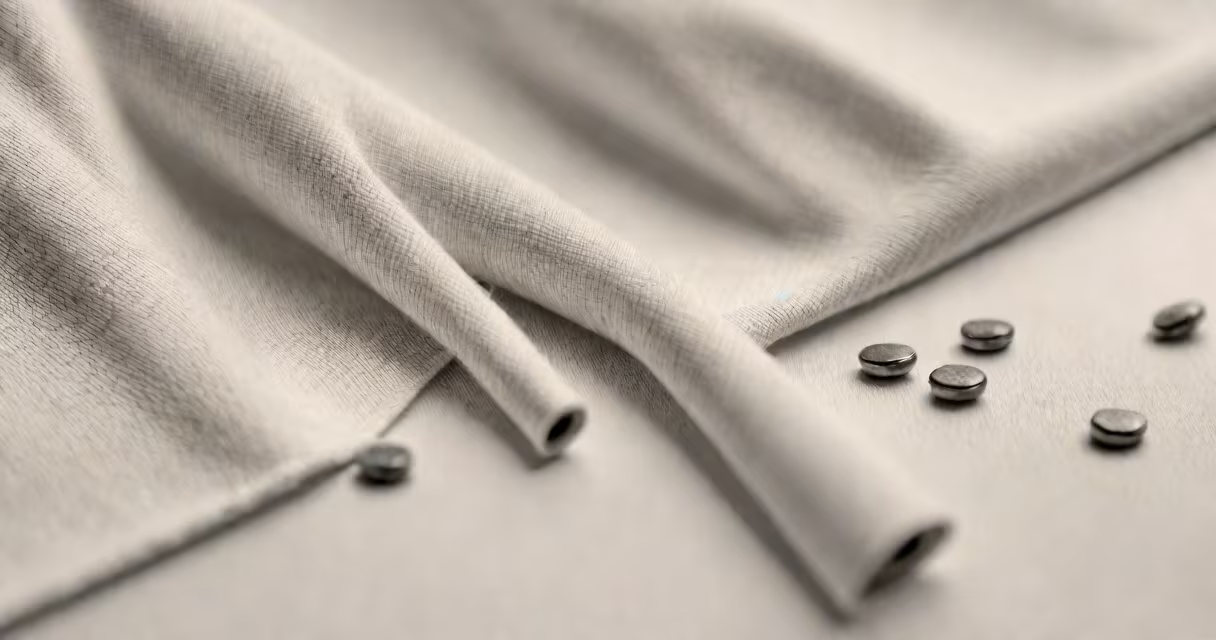
Anti pilling means preventing fabric from forming small balls of tangled fibers (pills) due to friction. This process extends clothing lifespans by maintaining smooth textures.
Pilling occurs when loose fibers on fabric surfaces knot together under stress. Common causes include abrasion during washing, wearing, or rubbing against other materials. Synthetic fabrics like polyester and acrylic pill more easily than natural fibers like cotton or wool.
| Solution Type | How It Works | Best For |
|---|---|---|
| Fabric Choice | Select tightly woven, high-quality materials | Everyday clothing |
| Enzyme Washing | Uses enzymes to loosen surface fibers | Delicate fabrics |
| Mechanical Treatments | Brushing or shearing removes loose fibers | Wool and cotton |
Many assume anti-pilling treatments weaken fabric. However, proper methods maintain strength while reducing pilling. For example, enzyme washing loosens only surface fibers, leaving structural integrity intact.
When I tested anti-pilling techniques on a wool sweater, gentle washing and air drying reduced pilling by 60% compared to machine washing. The key was using lukewarm water and a front-loading washing machine to minimize agitation.
For synthetic blends, adding a fabric softener during washing can help. However, avoid overloading the washing machine, as crowding increases fiber abrasion. Regular use of a fabric shaver also removes surface pills before they grow larger.