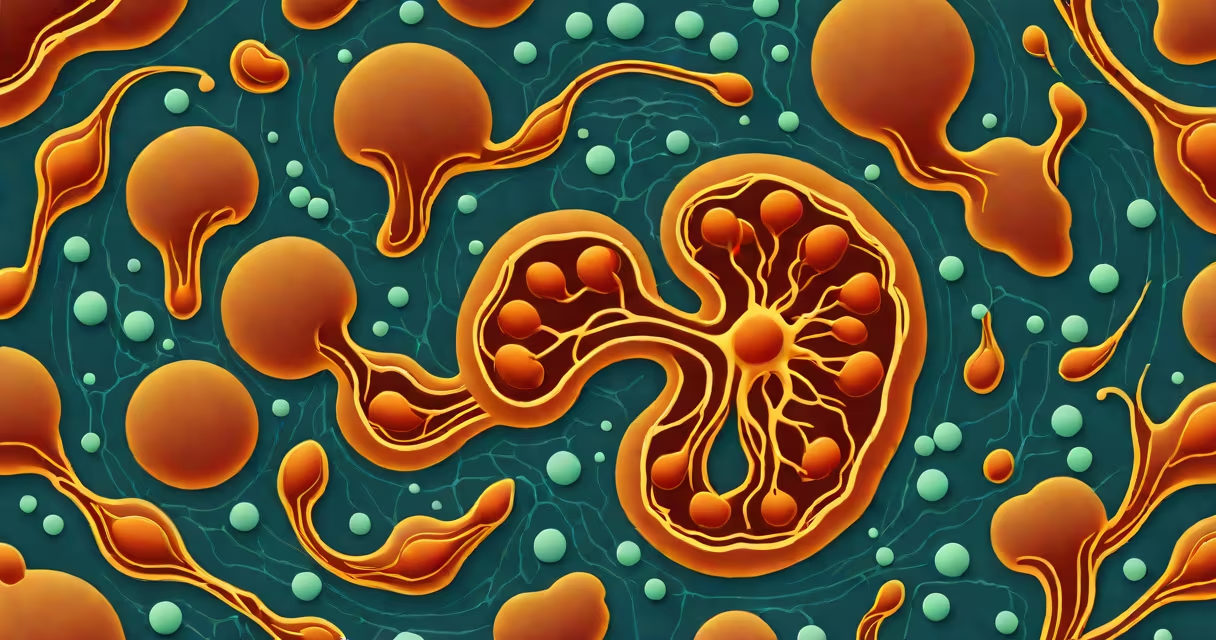
PKD stands for polycystic kidney disease, a genetic disorder characterized by the growth of numerous cysts in the kidneys. These cysts can grow large enough to disrupt kidney function, leading to complications like chronic kidney disease and kidney failure.
Polycystic kidney disease causes clusters of fluid-filled cysts to develop in the kidneys. As these cysts grow, they can enlarge the kidneys, impair their function, and cause symptoms such as pain, high blood pressure, and kidney stones. The condition is progressive, meaning it worsens over time.
There are two primary types of PKD:
| Type | Description | Inheritance Pattern |
|---|---|---|
| Autosomal Dominant PKD (ADPKD) | The most common form, accounting for about 90% of cases. Symptoms typically appear between ages 30 and 40. | Autosomal dominant |
| Autosomal Recessive PKD (ARPKD) | A rarer and more severe form, often diagnosed in infants and children. Symptoms usually appear shortly after birth. | Autosomal recessive |
PKD is primarily used in medical contexts to describe the specific genetic disorder affecting the kidneys. It is essential for diagnosing and treating the condition, as well as for genetic counseling and research. Understanding PKD helps healthcare providers develop treatment plans and monitor patients for complications.
Many people confuse PKD with other kidney diseases, such as chronic kidney disease (CKD) or kidney stones. Unlike CKD, which is a general term for reduced kidney function, PKD specifically refers to the presence of cysts. Kidney stones are solid deposits that form inside the kidneys, whereas PKD involves fluid-filled cysts.
Another misconception is that PKD is always severe. While ARPKD can be life-threatening in infants, ADPKD often progresses slowly, and many people with this form live full lives with proper management.
When my aunt was diagnosed with PKD, she initially mistook her symptoms for regular back pain. After several visits to different doctors, she was finally diagnosed with ADPKD. Learning about the condition helped her manage her symptoms effectively and seek appropriate treatment.