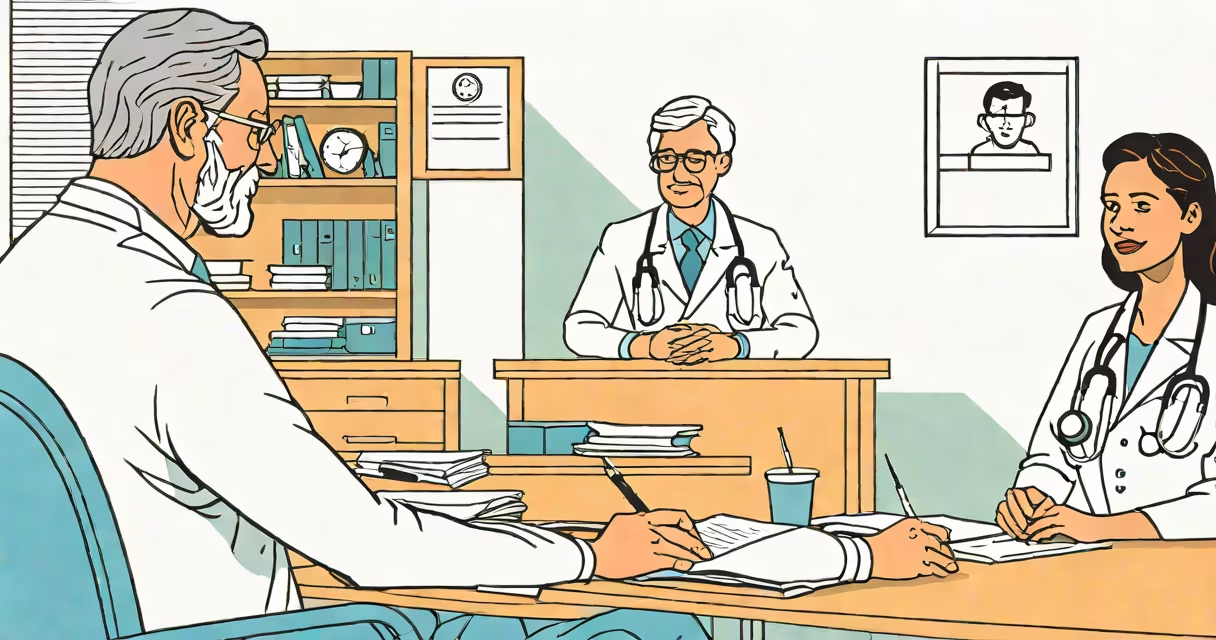
Person-centered care means designing healthcare around individual patients' needs, preferences, and values. It shifts focus from disease treatment to complete well-being, empowering patients to actively participate in their care.
This approach involves four key components:
For example, a diabetes management plan might incorporate a patient's cultural food preferences rather than prescribing generic dietary guidelines.
| Type | Focus Area | Example |
|---|---|---|
| Clinical | Medical treatments | Customizing medication dosages based on patient response |
| Emotional | Mental health support | Offering therapy options that match a patient's communication style |
| Social | Lifestyle factors | Connecting elderly patients with community activities |
| Physical | Body mechanics | Adapting exercise programs to mobility limitations |
Another myth is that person-centered care is only about being nice to patients. In reality, it requires systematic changes in healthcare delivery, including staff training and organizational policy adjustments.
Healthcare systems often face barriers when implementing person-centered care. One major challenge is time constraints - doctors typically have limited appointment times, making it difficult to thoroughly discuss patient preferences. Another obstacle is documentation requirements that prioritize standardized protocols over individualized care plans.
I've observed these challenges firsthand while working in a community clinic. Our team struggled to balance thorough person-centered assessments with the demands of high patient volumes. We found success by implementing group education sessions that allowed us to address common concerns while still personalizing care for each attendee.
Research shows person-centered care improves patient satisfaction, treatment adherence, and health outcomes. A 2018 study published in the Journal of Clinical Medicine found that diabetic patients receiving person-centered care had lower HbA1c levels after six months compared to those receiving standard care.
The approach also reduces healthcare costs by preventing complications that arise from mismatched treatments. For instance, a patient who prefers herbal remedies might discontinue prescribed medications, leading to worsening conditions and expensive emergency interventions.
Person-centered care extends beyond clinical settings. It influences how we think about self-care practices, encouraging individuals to consider their unique needs when maintaining their health.