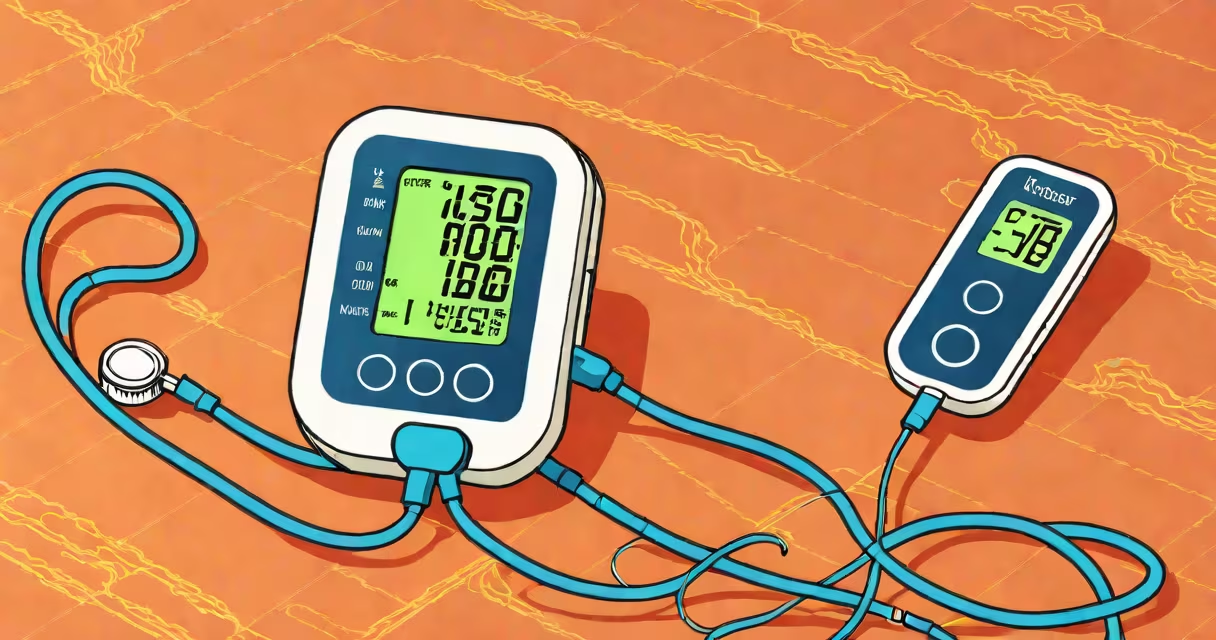
Several factors contribute to increased blood pressure, including dehydration, stress, and certain medications. Understanding these causes is important for managing hypertension.
Blood pressure rises when the force of blood against artery walls increases. This happens due to narrowing arteries, increased heart rate, or thicker blood. Chronic high blood pressure, or hypertension, strains the heart and damages arteries over time.
The primary causes fall into two categories: lifestyle choices and underlying medical conditions. Common triggers include:
Many believe exercise always lowers blood pressure, but intense workouts can cause temporary spikes. Similarly, some think spicy food raises blood pressure, but research shows it has minimal long-term effects.
I once noticed my blood pressure rising after skipping hydration during a workout. Drinking water and resting normalized it within 30 minutes.
Lifestyle changes like reducing sodium intake, staying hydrated, and managing stress help regulate blood pressure. For persistent issues, doctors may prescribe medications like ACE inhibitors or diuretics.