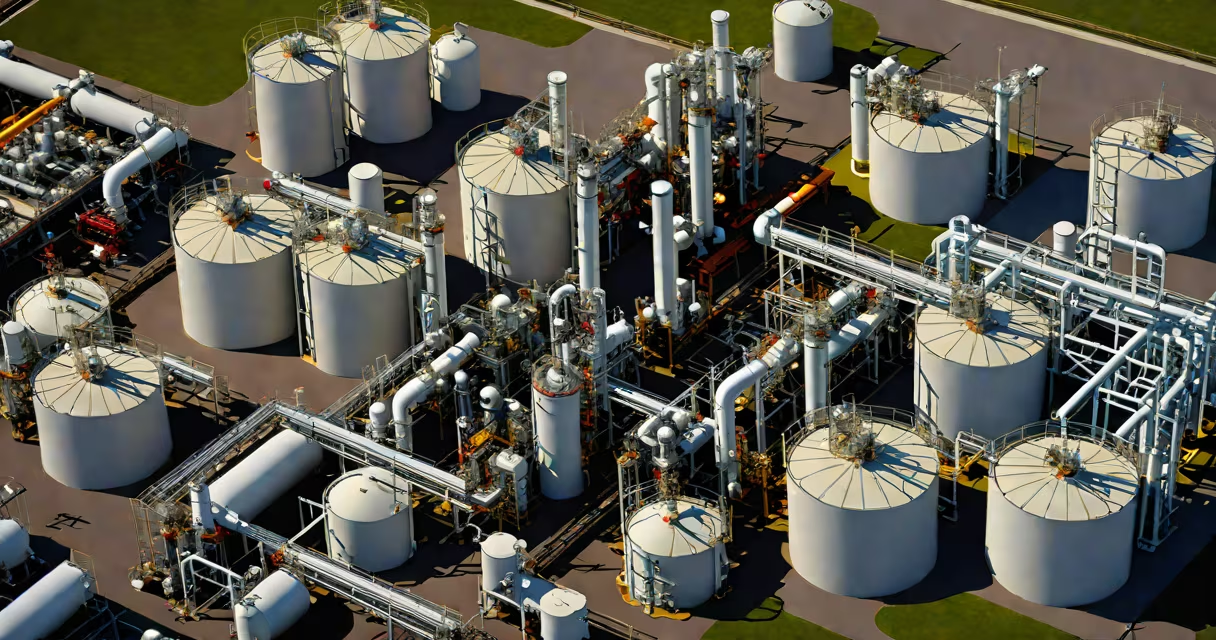
A chemical plant is an industrial facility that manufactures chemicals through controlled processes, typically involving large-scale reactions, separation, or purification. These plants produce everything, using specialized equipment and safety protocols.
Chemical plants operate through a series of interconnected units, each performing specific functions. Raw materials enter the plant, undergo chemical reactions, and are then processed into final products. For example, a petrochemical plant might convert crude oil into plastics, fuels, and other derivatives.
The process begins with feedstock preparation, where raw materials are refined or separated. Next, reactions occur in reactors under controlled conditions of temperature, pressure, and catalyst presence. Finally, products are purified, stored, and packaged for distribution.
| Type | Primary Products | Example Processes |
|---|---|---|
| Petrochemical Plants | Plastics, fuels, synthetic rubber | Cracking, reforming, polymerization |
| Pharmaceutical Plants | Medicines, vaccines | Synthesis, formulation, packaging |
| Fertilizer Plants | Nitrogen, phosphorus, potassium fertilizers | Ammonia synthesis, acidulation |
| Specialty Chemical Plants | Adhesives, coatings, detergents | Blending, emulsification, coating |
Each type of plant uses different processes and equipment tailored to its specific output. For instance, a pharmaceutical plant prioritizes sterile environments and precise measurements, while a petrochemical plant focuses on high-temperature reactions and corrosion-resistant materials.
Chemical plants are essential for modern industry, supplying materials for construction, agriculture, healthcare, and consumer goods. They are often located near raw material sources or transportation hubs to minimize costs. For example, many petrochemical plants are near oil refineries or ports to help the import and export of feedstock and products.
These facilities support economic growth by providing jobs and contributing to technological advancements. However, they must adhere to strict environmental regulations to minimize pollution and ensure worker safety.
Many people confuse chemical plants with factories that produce simple consumer goods. Unlike assembly lines that put together pre-made components, chemical plants change raw materials into entirely new substances through complex reactions.
Another misconception is that all chemical plants are hazardous. While some processes involve dangerous substances, modern plants use advanced safety measures, such as automated monitoring systems and emergency shutdown procedures, to prevent accidents.
Consider a typical petrochemical plant that processes crude oil. The plant first separates the oil into fractions through distillation. These fractions are then further processed in reactors to produce various products, such as ethylene and propylene, which are building blocks for plastics and synthetic rubber.
For example, ethylene can be polymerized to create polyethylene, a common plastic used in packaging, pipes, and containers. This multi-step process highlights the complexity and precision required in chemical manufacturing.
I once visited a petrochemical plant in Texas, where I saw firsthand how tightly controlled the environment was. Workers wore protective gear, and sensors monitored air quality and pressure levels continuously. The plant's efficiency and safety protocols were impressive, showcasing how modern technology minimizes risks.
Chemical plants are subject to stringent regulations to protect workers and the environment. Agencies like the U.S. Environmental Protection Agency (EPA) enforce rules on emissions, waste disposal, and accident prevention. Plants must obtain permits and undergo regular inspections to ensure compliance.
Safety measures include emergency response plans, fire suppression systems, and personal protective equipment (PPE) for workers. Many plants also conduct regular drills to prepare for potential hazards, such as chemical spills or equipment failures.
A chemical plant is a critical industrial facility that produces essential chemicals through controlled processes. These plants support various industries by supplying materials for construction, healthcare, agriculture, and consumer goods. Despite common misconceptions, modern chemical plants prioritize safety and environmental responsibility, using advanced technology to minimize risks and maximize efficiency.