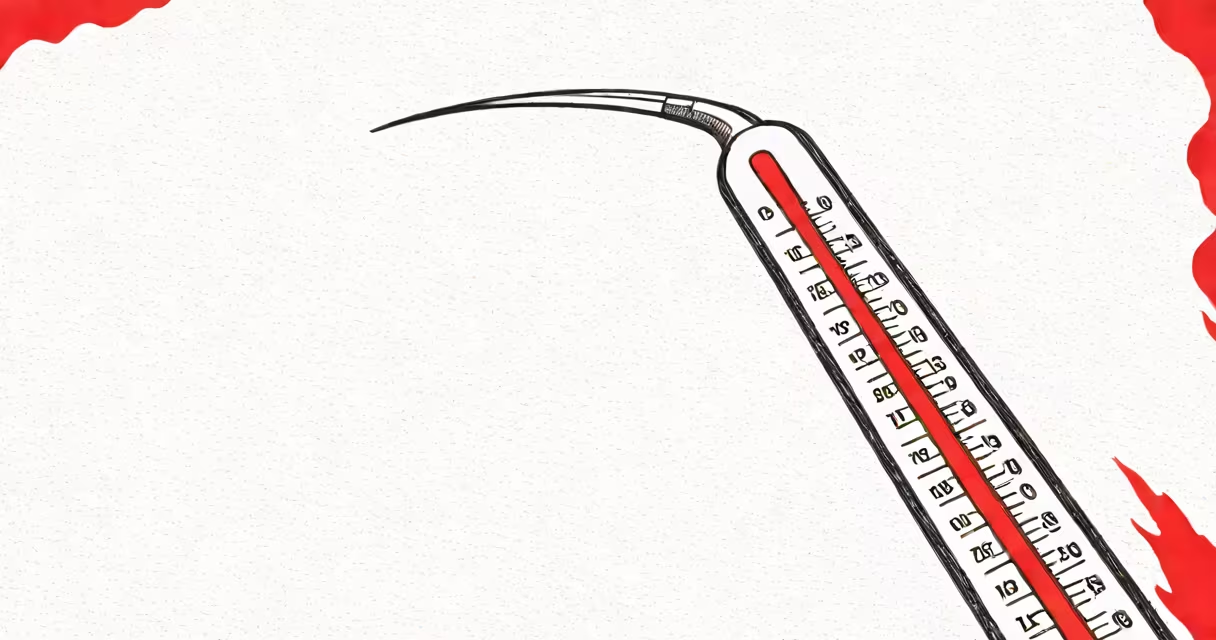
A dangerous temperature for adults is any body temperature above 103°F (39.4°C) or below 95°F (35°C). These extremes require immediate medical attention.
The human body maintains a normal temperature range between 97°F (36.1°C) and 99°F (37.2°C). This balance is regulated by the hypothalamus, which triggers mechanisms like sweating or shivering to maintain equilibrium.
When internal or external factors disrupt this balance, body temperature can rise or fall to dangerous levels. Prolonged exposure to extreme temperatures can lead to serious health consequences.
| Temperature Range | Condition | Risks |
|---|---|---|
| Above 103°F (39.4°C) | Hyperthermia | Heat exhaustion, heatstroke, organ damage |
| Below 95°F (35°C) | Hypothermia | Confusion, slurred speech, loss of coordination |
For temperatures above 103°F (39.4°C), seek medical help immediately. Symptoms may include confusion, rapid heartbeat, and lack of sweating despite the heat. For temperatures below 95°F (35°C), emergency care is important. Symptoms include shivering, exhaustion, and slurred speech.
If someone exhibits these symptoms, call emergency services or transport them to the nearest medical facility. While waiting for help, move the person to a cooler or warmer environment, remove or add clothing as needed, and use available resources to stabilize their temperature.
Many people believe that a slight fever is harmless and can be treated with over-the-counter medications alone. However, fevers above 103°F (39.4°C) can indicate severe infections or heat-related illnesses that require professional medical intervention.
Similarly, mild hypothermia is often dismissed as just being cold. However, even slightly lowered body temperatures can lead to serious complications if left untreated.
Last summer, I witnessed a colleague exhibiting signs of heat exhaustion during an outdoor event. He was disoriented, had a rapid pulse, and his skin was hot and dry. Recognizing these symptoms, I immediately called for medical assistance while moving him to a shaded area and applying cool cloths to his neck and wrists. His temperature was 104°F (40°C), and prompt medical treatment prevented further complications.
To prevent dangerous temperatures, stay hydrated, wear appropriate clothing, and avoid prolonged exposure to extreme heat or cold. During hot weather, seek shade and use fans or air conditioning. In cold weather, dress in layers and limit time spent outdoors.
Recognizing the signs of dangerous temperatures and taking immediate action can save lives. Always prioritize safety and seek professional medical advice when in doubt.
For more information on managing fevers and other health concerns, visit this guide.