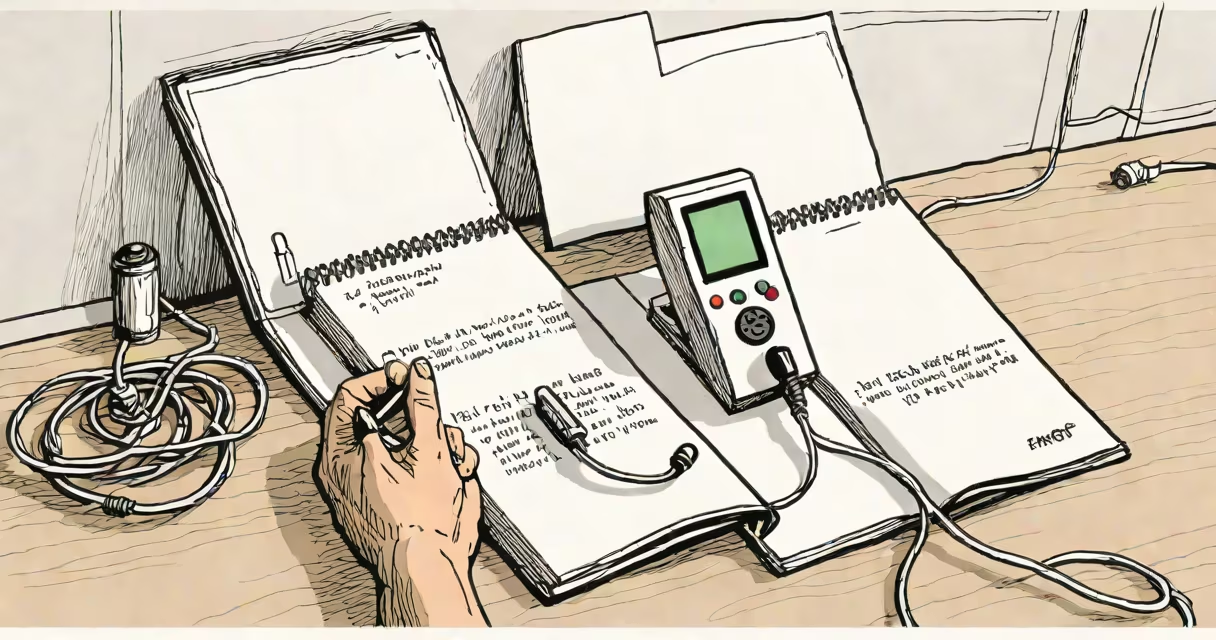
An EMF reader is a device that measures electromagnetic fields (EMFs) emitted by electrical equipment, power lines, and natural sources. These meters detect invisible energy waves to assess potential exposure risks.
Most EMF readers contain sensors that detect electric, magnetic, and radio frequency fields. When exposed to EMFs, these sensors generate signals proportional to the field strength, which the device converts into numerical readings. Some advanced models display data on screens or log measurements for later analysis.
| Type | Detects | Typical Range |
|---|---|---|
| Single-axis meter | Electric or magnetic fields | 0.1 mG to 100 mG |
| Tri-axis meter | All three dimensions of EMFs | 0.1 mG to 1,000 mG |
| RF detector | Radiofrequency fields | 20 MHz to 6 GHz |
Single-axis meters measure fields in one direction, while tri-axis meters provide a complete picture by detecting fields in all three spatial dimensions. RF detectors focus specifically on radiofrequency fields from Wi-Fi routers, cell towers, and other wireless devices.
People use EMF readers to check exposure levels in homes, offices, and public spaces. For example, someone concerned about EMFs from a nearby power line might use a meter to measure fields at different distances. Others use these devices to locate hidden wiring in walls or identify faulty electrical equipment emitting excessive EMFs.
According to the World Health Organization, prolonged exposure to high EMF levels may pose health risks, though research continues. Many users rely on EMF readers to make informed decisions about reducing exposure.
Some people assume all EMF readers work the same way, but they actually vary widely in sensitivity and functionality. A basic single-axis meter might miss fields from certain angles, while a tri-axis meter provides a more accurate assessment., not all EMF readers detect radiofrequency fields-specialized RF detectors are needed for those measurements.
Another common mistake is assuming higher readings always indicate danger. EMF levels fluctuate based on distance, material interference, and device usage. For instance, a reading near a power outlet might spike when an appliance turns on but drop just a few feet away.
When selecting an EMF reader, consider your specific needs. For general home use, a tri-axis meter covering electric, magnetic, and RF fields offers the most complete protection. Professionals inspecting electrical systems might prefer meters with data logging capabilities for detailed reports.
I tested several EMF readers during a home inspection and found that the best models combined accuracy with user-friendly features like audible alarms for high readings. The TriField TF2, for example, provides clear measurements for electric, magnetic, and RF fields in one compact device.