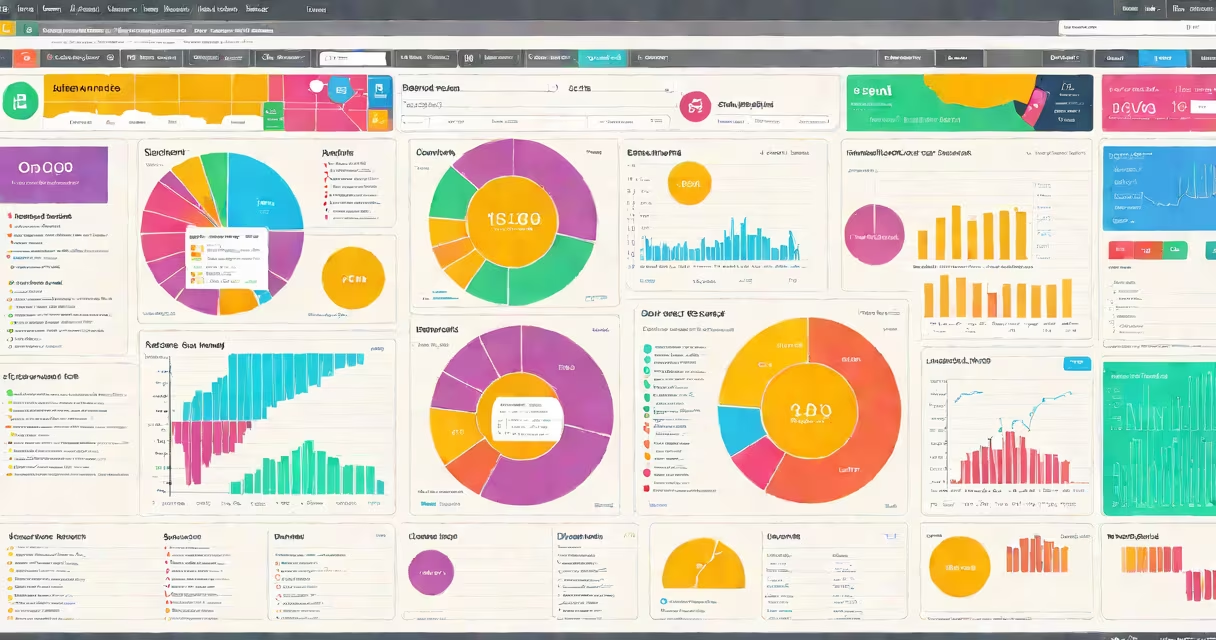
Ad D coverage measures how widely your digital ads are distributed across platforms and audiences. It tracks the percentage of your target audience that sees your ads during a campaign.
Ad coverage operates on a percentage basis. If your campaign targets 1 million people and 300,000 see your ads, your coverage is 30%. This metric helps advertisers understand reach and frequency.
| Type | Description | Example |
|---|---|---|
| Platform Coverage | Percentage of target audience reached across different platforms (e.g., Facebook, Google, Instagram) | A campaign running on Facebook and Instagram with 60% coverage on Facebook and 40% on Instagram |
| Demographic Coverage | Percentage of target audience reached within specific demographic groups (e.g., age, gender, location) | A campaign targeting women aged 25-34 with 70% coverage in this group |
| Geographic Coverage | Percentage of target audience reached in different geographic locations | A campaign targeting U.S. audiences with 80% coverage in urban areas and 20% in rural areas |
Ad coverage is important for understanding campaign effectiveness. High coverage indicates broad reach, while low coverage suggests potential gaps in targeting. Advertisers use this metric to improve campaigns for better performance.
For example, a clothing brand launching a new line might aim for high coverage among fashion-conscious millennials. If coverage is low in this group, the brand can adjust targeting parameters or increase ad spend to improve reach.
Many advertisers confuse ad coverage with impressions. Impressions count how often ads are displayed, while ad coverage measures the percentage of the target audience reached. A campaign with high impressions but low coverage may show ads repeatedly to the same small audience, wasting budget.
According to Google Ads Support, effective campaigns balance reach and frequency to maximize impact without oversaturating any segment.
To improve ad coverage, advertisers can diversify platforms, refine targeting, and adjust budgets. For instance, a campaign with low coverage on mobile devices can increase spending on mobile-friendly ads to reach more users.
I once worked on a campaign where initial coverage was low among younger audiences. By shifting budget to TikTok and adjusting demographic targets, we increased coverage by 30% in this group within two weeks.