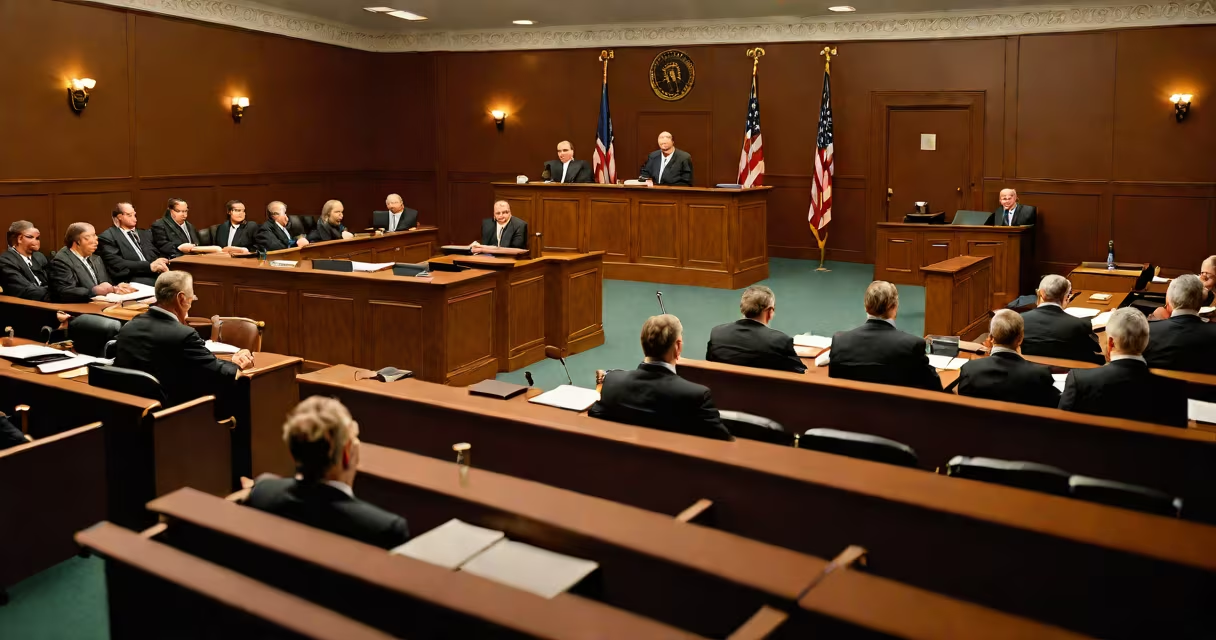
Administration of justice refers to the organized systems and processes that manage legal cases through courts, ensuring fairness, efficiency, and accountability. This includes filing procedures, case management, and judicial oversight.
The administration of justice involves several key stages:
Different jurisdictions have varying court structures, but most follow a hierarchical model:
| Level | Function | Example |
|---|---|---|
| Supreme Court | Final appellate review | U.S. Supreme Court |
| Appellate Courts | Review decisions from lower courts | State Supreme Courts |
| Trial Courts | Initial hearings and verdicts | District Courts |
Many assume administration of justice is solely about judges and lawyers. However, it also involves administrative staff, court clerks, and technology systems that support the judicial process. For example, electronic filing systems have streamlined case management, reducing delays and improving accessibility.
In 2020, the U.S. federal courts implemented the NextGen case management system, replacing outdated paper-based processes. This upgrade improved efficiency by allowing attorneys to file documents electronically, track case statuses online, and receive notifications automatically. Such advancements demonstrate how modern administration of justice enhances both speed and accuracy.
Effective administration of justice helps legal proceedings are conducted fairly and efficiently. Without proper case management, courts risk delays, errors, and injustices. By maintaining organized systems, courts uphold public trust in the legal system.