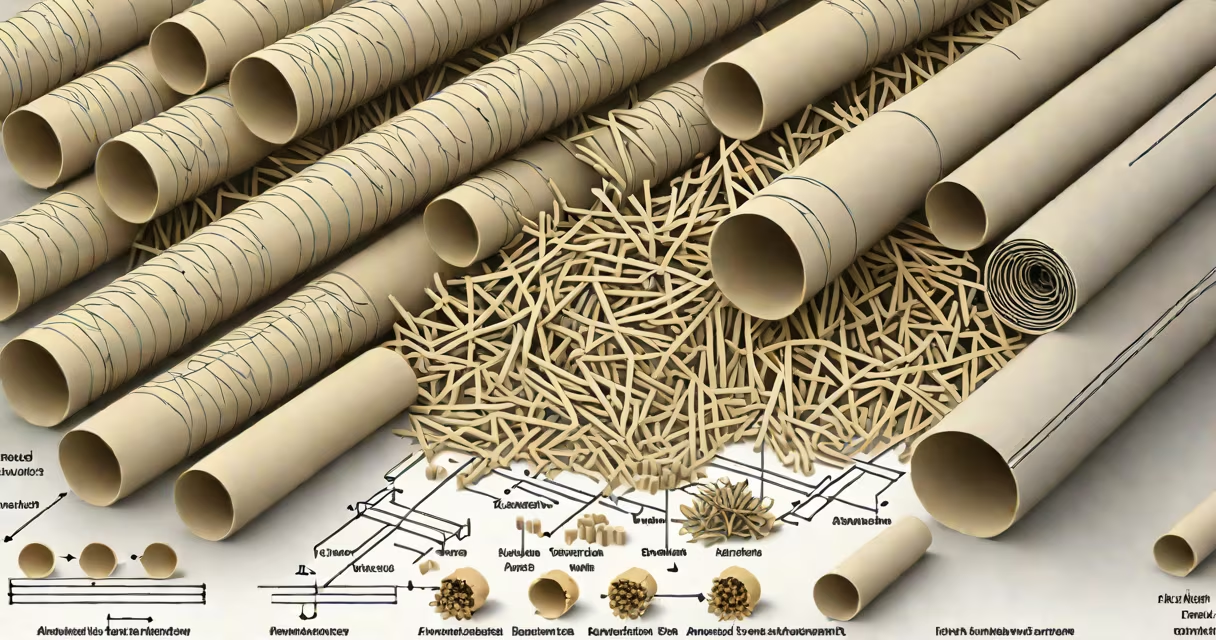
Asbestos refers to six naturally occurring fibrous minerals known for their heat resistance, strength, and durability. These properties made them popular in construction and manufacturing until their severe health risks were widely recognized.
Asbestos fibers are microscopic and can become airborne when disturbed. When inhaled, these fibers lodge in the lungs, causing inflammation, scarring, and potentially leading to serious diseases like mesothelioma and lung cancer. The latency period between exposure and disease onset can span decades.
| Type | Composition | Common Uses |
|---|---|---|
| Chrysotile | Serpentine mineral | Roofing, brake linings, gaskets |
| Amosite | Grunerite mineral | Cement sheets, insulation |
| Crocidolite | Riebeckite mineral | Pipe insulation, spray-on coatings |
Asbestos was widely used in building materials, automotive parts, and industrial products due to its fire-resistant and insulating properties. For example, chrysotile asbestos was commonly used in roofing materials and brake pads. However, its use has been heavily restricted since the late 20th century due to health concerns.
Many people confuse asbestos with other fibrous materials like fiberglass. Unlike asbestos, fiberglass does not cause the same severe health risks when inhaled., some believe that asbestos is only dangerous when disturbed, which is true but overlooks the fact that natural weathering can also release fibers.
In my experience working with older buildings, I've seen asbestos-containing materials in places like ceiling tiles and pipe insulation. Proper handling and removal by professionals are important to avoid exposure.
Understanding what asbestos means involves recognizing its composition, historical uses, and the severe health risks associated with exposure. While its use has declined, awareness remains critical for safety in older structures.