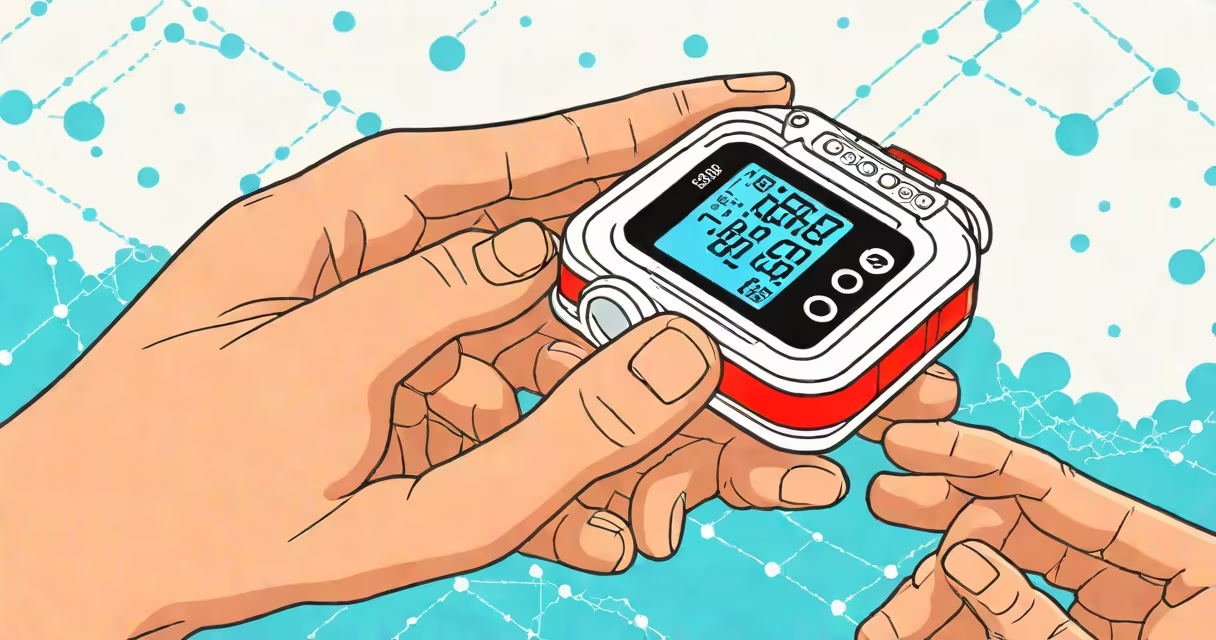
Normal blood oxygen levels (SpO2) should range between 95% and 100%. Levels below 90% may indicate a health issue requiring medical attention.
Blood oxygen levels are measured using a pulse oximeter, a small device clipped onto a fingertip. It sends light beams through the finger to measure how much oxygen is in the blood. The device then displays the oxygen saturation percentage (SpO2) on its screen.
Blood oxygen levels can be categorized based on their measurements:
| Level | SpO2 Range | Severity |
|---|---|---|
| Normal | 95%-100% | Healthy range |
| Mildly low | 91%-94% | May not cause symptoms |
| Moderately low | 85%-90% | May cause shortness of breath |
| Severely low | Below 85% | Requires immediate medical attention |
Oxygen is important for the body to function properly. It is carried through the bloodstream by hemoglobin, a protein in red blood cells. When oxygen levels are too low, the body's organs and tissues cannot function correctly, leading to various health issues.
For instance, people with chronic obstructive pulmonary disease (COPD) often have lower blood oxygen levels due to reduced lung function. Monitoring SpO2 levels is essential for managing such conditions.
Many people believe that blood oxygen levels should always be at 100%. However, levels slightly below 100% are normal and healthy., some think that pulse oximeters are always accurate, but factors like poor circulation, nail polish, or movement can affect readings.
I once tested a pulse oximeter on my finger with dark nail polish. The reading was lower than expected, highlighting how important it is to remove nail polish before using the device for accurate results.
If your SpO2 levels are consistently below 90%, seek medical advice. Symptoms such as shortness of breath, dizziness, or confusion may indicate a serious condition requiring immediate attention. Regular monitoring and consulting with a healthcare provider can help manage and treat low blood oxygen levels effectively.