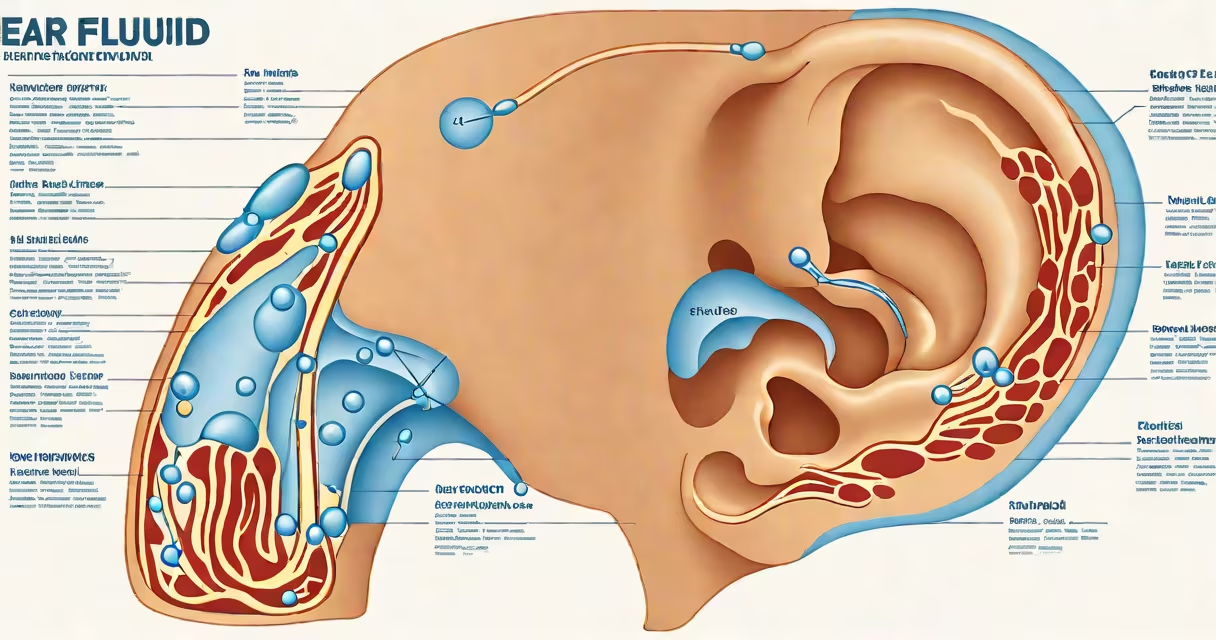
Ear fluid refers to any liquid within the ear, typically mucus or serum, often caused by infection or pressure changes. Unlike earwax, which is normal and protective, ear fluid usually indicates an underlying issue.
| Type | Cause | Common In |
|---|---|---|
| Serous fluid | Non-infected inflammation | Eustachian tube dysfunction |
| Purulent fluid | Bacterial infection | Acute otitis media |
| Sanguineous fluid | Trauma or severe infection | Barotrauma, severe infections |
Ear fluid differs from earwax (cerumen) in composition, color, and cause. Earwax is a waxy substance produced by glands in the outer ear canal to trap dust and debris. It's usually yellowish or brown and helps protect the ear. Ear fluid, however, is typically clear, yellow, or bloody and signals an underlying issue.
Many people confuse ear fluid with earwax buildup. While both can cause hearing issues, ear fluid often results from infections or pressure changes, whereas earwax is a natural part of ear hygiene. If you're experiencing hearing loss or pressure, it's important to determine whether it's due to fluid or wax.
Ear fluid often resolves on its own, but persistent symptoms may require medical attention. Seek help if you experience:
Doctors diagnose ear fluid through physical examination, pneumatic otoscopy, or tympanometry. Treatment may involve decongestants, antibiotics, or ear tubes for chronic cases.
While not all cases are preventable, reducing risk factors helps. Stay hydrated, manage allergies, and avoid smoking to keep Eustachian tubes functioning properly. During air travel, chewing gum or using earplugs can help equalize pressure and prevent fluid buildup.
Ear fluid is common but usually temporary. Understanding its causes and differences from earwax helps identify when to seek medical care. If you suspect ear fluid, consult a healthcare professional for proper diagnosis and treatment.