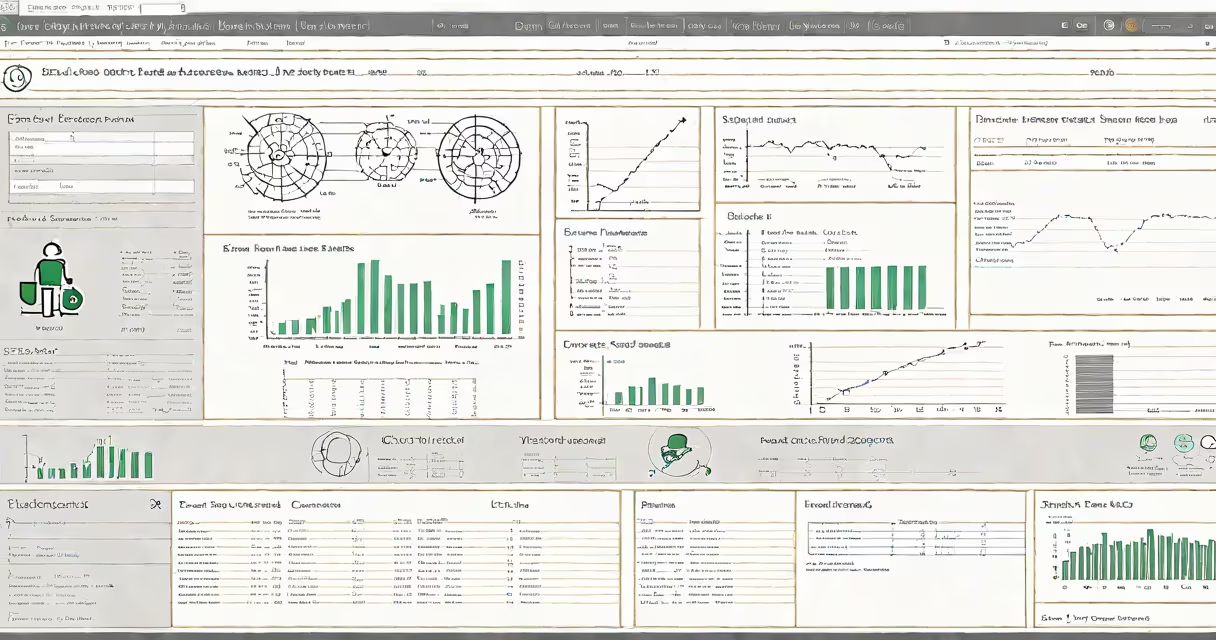
An educational management information system (EMIS) is software that automates administrative tasks in schools, such as tracking attendance, managing student records, and generating reports. These systems improve efficiency and reduce paperwork.
EMIS centralizes data in one platform, allowing educators to input and access information quickly. For example, teachers log attendance daily, which updates in real-time. The system then generates reports for administrators to analyze trends.
Most EMIS platforms include these core features:
| Type | Use Case | Example |
|---|---|---|
| Cloud-Based | Accessible from anywhere with internet | PowerSchool |
| On-Premise | Installed locally on school servers | SIS by Infinite Campus |
| Open-Source | Customizable, often free | OpenSIS |
EMIS improves efficiency by reducing manual tasks. For instance, a school district in Texas cut report generation time using EMIS. It also enhances data accuracy, as human errors in record-keeping are minimized.
EMIS supports compliance with regulations like secure information management laws, ensuring student data privacy. Schools also use EMIS to track funding allocation and resource distribution, helping administrators make informed decisions.
Some believe EMIS replaces teachers, but it's merely a tool to automate administrative work. Teachers still oversee education delivery. Others think EMIS is only for large schools, but even small institutions benefit from its efficiency.
Another myth is that EMIS is expensive. While some systems have high costs, affordable options exist, including open-source platforms. Schools can choose based on their budget and needs.
A middle school in Ohio adopted an EMIS to manage 500 students. They used it to track attendance, store grades, and send automated reports to parents. Within six months, administrative workload decreased by 30%, and parent engagement improved due to timely updates.