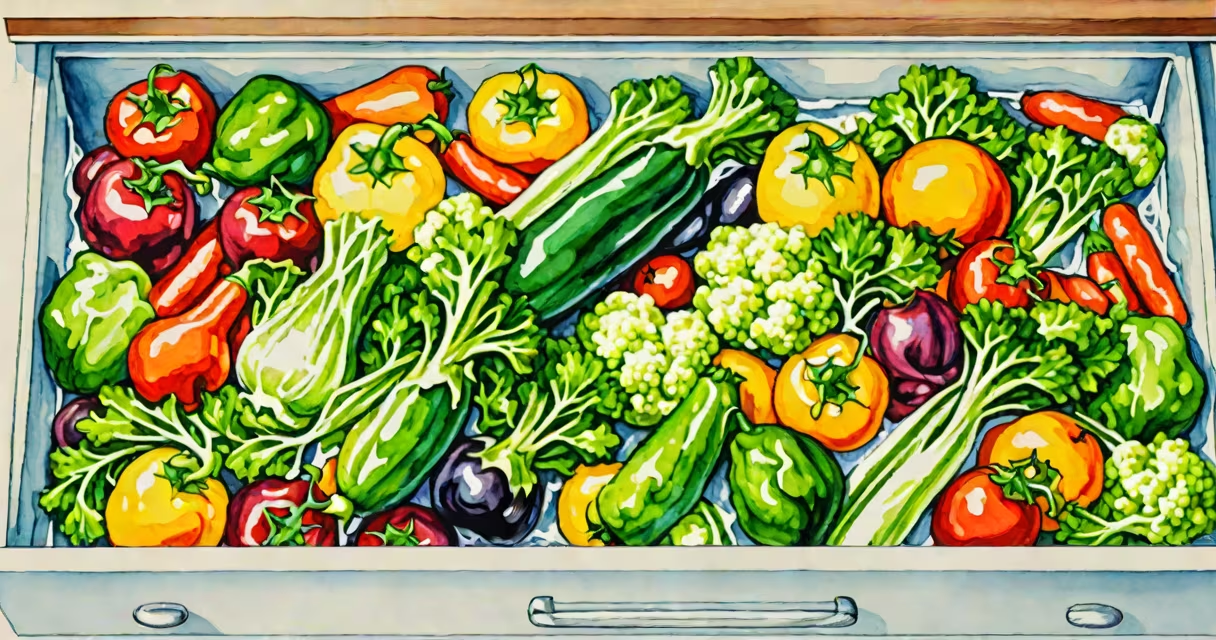
Freezing is the process of lowering a substance's temperature below its freezing point, causing water to form ice crystals. This physical change preserves food by slowing bacterial growth and enzymatic activity.
When food is frozen, its water content turns into ice, reducing microbial activity. The U.S. Department of Agriculture (USDA) notes that freezing maintains nutritional quality and safety, though texture may change due to ice crystal formation.
Most home freezers operate between 0°F (-18°C) and 5°F (-15°C). Commercial freezers may reach -40°F (-40°C) for faster freezing, which produces smaller ice crystals and less cellular damage.
| Method | Temperature Range | Use Case |
|---|---|---|
| Still Air Freezing | 0°F to 5°F (-18°C to -15°C) | Home freezers, small-scale storage |
| Blast Freezing | -40°F to -60°F (-40°C to -51°C) | Commercial kitchens, food processing plants |
| Cryogenic Freezing | -320°F to -346°F (-196°C to -210°C) | Industrial applications, rapid freezing |
Freezing slows enzyme activity and inhibits microbial growth, extending shelf life. The USDA states that frozen foods retain vitamins and nutrients better than some other preservation methods, like canning.
However, freezing doesn't kill bacteria-it pauses their activity. When thawed improperly, bacteria can multiply rapidly. Always thaw food in the refrigerator, under cold running water, or in the microwave if cooking immediately afterward.
Refrigeration keeps food at temperatures above freezing (typically 32°F to 40°F or 0°C to 4°C), slowing but not stopping microbial growth. Freezing, by contrast, halts most biological processes.
For example, raw chicken lasts 1-2 days in the fridge but up to 9 months in the freezer. However, freezing doesn't make food permanently safe. Is fat freezing safe? explores another preservation method.
I once froze a batch of homemade soup to test texture changes. After three months, the soup thawed with minimal separation, though the vegetables were slightly softer. The flavors remained intact, proving freezing preserves taste effectively.
Freezing works best for high-moisture foods like fruits, vegetables, and cooked meals. Low-moisture foods, such as nuts or bread, freeze well but may develop staleness over time.