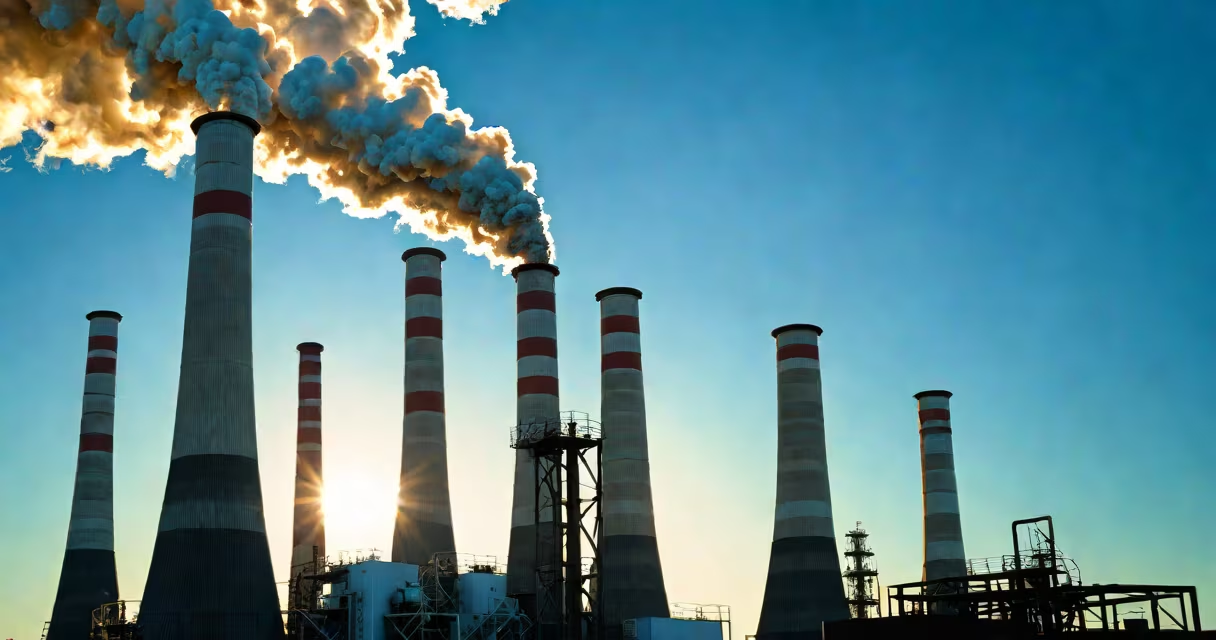
Fossil fuel combustion is the process of burning coal, oil, or natural gas to release stored energy, primarily for electricity generation and transportation. This chemical reaction produces heat and carbon dioxide, driving turbines and engines.
Combustion occurs when fossil fuels react with oxygen in a controlled environment, such as a power plant boiler or car engine. The chemical reaction breaks down hydrocarbons into carbon dioxide and water vapor, releasing energy as heat. This heat converts water into steam, which spins turbines connected to generators, producing electricity.
The three primary fossil fuels are coal, oil, and natural gas. Coal is the most abundant and oldest, formed from ancient plant matter. Oil, derived from marine microorganisms, is refined into gasoline, diesel, and other fuels. Natural gas, the cleanest-burning fossil fuel, consists mostly of methane.
| Fuel Type | Carbon Content | Primary Use |
|---|---|---|
| Coal | 60-80% | Electricity generation |
| Oil | 83-87% | Transportation, heating |
| Natural Gas | 70-90% | Electricity, heating, cooking |
Fossil fuel combustion powers about 80% of global energy needs. Power plants burn coal or natural gas to generate electricity, while vehicles rely on gasoline and diesel. Industries use these fuels for heating, manufacturing, and transportation due to their high energy density and reliability.
According to the U.S. Energy Information Administration, fossil fuels accounted for 63% of global electricity generation in 2022. The International Energy Agency notes that coal remains the largest source of electricity, though natural gas is growing faster due to its lower emissions.
Many confuse fossil fuel combustion with renewable energy sources like biomass. While both involve burning organic material, biomass comes from recently living plants, whereas fossil fuels formed over millions of years., some believe all fossil fuels produce equal emissions, but natural gas emits about half the CO2 of coal per unit of energy.
Another misconception is that fossil fuel combustion is entirely harmful. While it contributes to climate change, it also supports modern infrastructure and economies. Transitioning to cleaner alternatives requires balancing immediate energy needs with long-term sustainability goals.
I once visited a coal-fired power plant and witnessed the scale of combustion firsthand. The sheer size of the facility and the constant hum of machinery highlighted the reliability of fossil fuels, even as environmental concerns grow.
Fossil fuel combustion releases carbon dioxide, a greenhouse gas that traps heat in the atmosphere. It also emits sulfur dioxide, nitrogen oxides, and particulate matter, contributing to air pollution and respiratory diseases. The Intergovernmental Panel on Climate Change reports that fossil fuel use is the largest source of human-caused greenhouse gas emissions.
Efforts to reduce emissions include carbon capture and storage, switching to natural gas, and increasing renewable energy adoption. However, these solutions face challenges like cost, scalability, and political resistance.