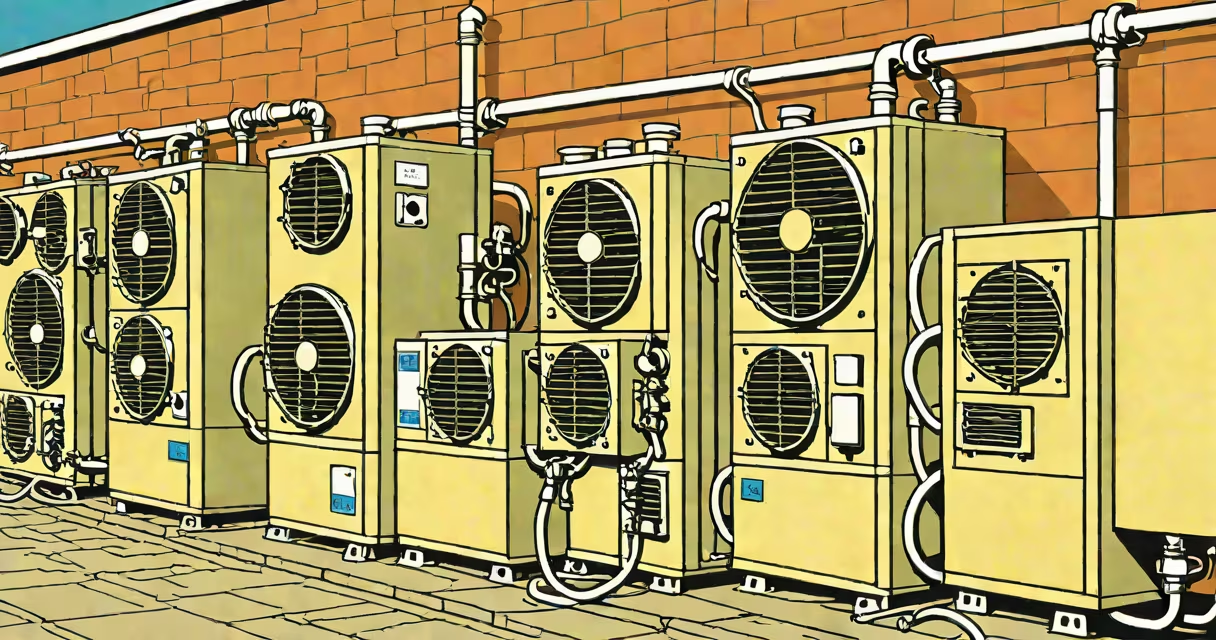
Freon in AC refers to chlorofluorocarbon (CFC) refrigerants, like R-22, once widely used in air conditioning systems for their heat-absorbing properties. These chemicals were phased out globally due to their role in ozone depletion.
Freon absorbs heat inside your home and releases it outside. The refrigerant cycles through the system, changing, removing heat and humidity. This process cools indoor air efficiently.
| Type | Chemical Name | Common Uses | Phaseout Date |
|---|---|---|---|
| R-11 | Trichlorofluoromethane | Older AC systems | 1996 |
| R-12 | Dichlorodifluoromethane | Automotive AC, older home units | 2002 |
| R-22 | Chlorodifluoromethane | Residential and commercial AC | 2020 (full phaseout) |
The Montreal Protocol of 1987 targeted CFCs like Freon for their ozone-depleting effects. These chemicals release chlorine atoms that destroy ozone molecules, weakening the Earth's protective layer against UV radiation. By 2020, production and import of R-22 ceased in the U.S., though existing systems can still use recycled supplies.
Many people confuse Freon with modern refrigerants like R-410A (Puron), which don't contain chlorine. Unlike Freon, R-410A is ozone-safe but still contributes to global warming if released. Another myth is that Freon is always toxic-while harmful in large quantities, it's designed to be contained within sealed systems.
I once serviced an old R-22 system where the homeowner assumed switching to a newer refrigerant would fix inefficiencies. The truth was the system needed replacement entirely. Modern alternatives like R-32 offer better efficiency and lower environmental impact.
Today's AC systems use hydrofluorocarbons (HFCs) like R-410A or newer options such as R-32. These lack chlorine, reducing ozone damage. However, they still contribute to global warming, so research continues into even safer alternatives like hydrofluoroolefins (HFOs).
According to the EPA, one pound of R-22 has the ozone-depleting potential of 2,900 pounds of carbon dioxide. Even small leaks contribute to long-term environmental harm. Proper disposal and recycling programs help mitigate risks while transitioning to safer technologies.
Understanding Freon's role in AC systems highlights the importance of adopting eco-friendly alternatives. As regulations tighten, staying informed ensures compliance and sustainability.